
Autonomous Infrastructure Power · TRL 5–6 · Pre-Commercial
VENDOR.Max — Autonomous
Power Node
for Remote Infrastructure
Infrastructure-scale autonomous power in the 2.4–24 kW range. Designed for infrastructure sites where power reliability depends on costly logistics, recurring maintenance, or unstable grid access.
Deployment Status
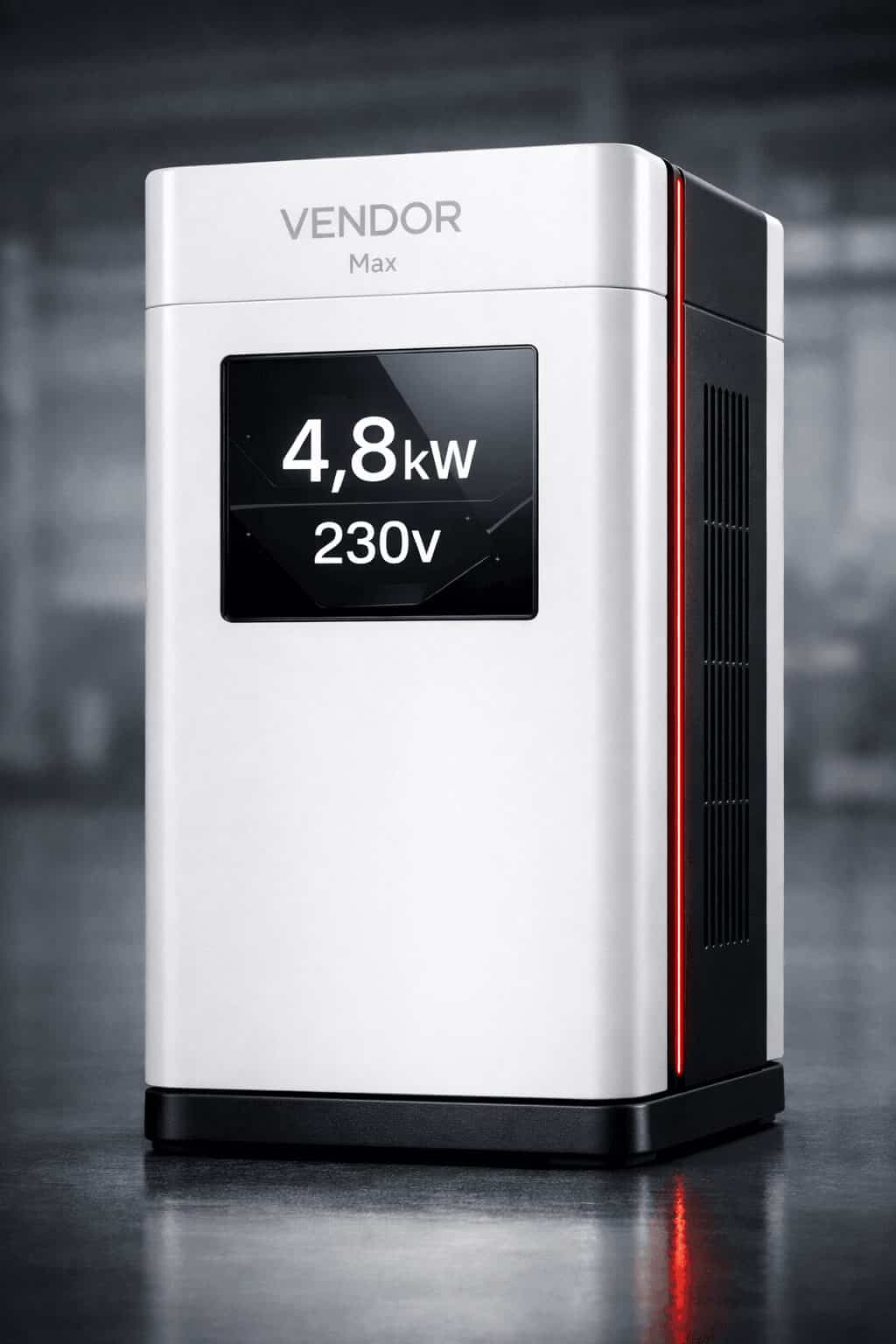
Infrastructure Context
Remote Infrastructure Power
Is a Structural Problem —
Not a Technology Gap
Thousands of infrastructure operators in telecom, agriculture, utilities, and off-grid facilities face the same structural constraint: reliable power at remote sites depends on diesel logistics, battery replacement cycles, or weak-grid availability. All three create recurring cost, operational fragility, or both.
GSMA documents that diesel logistics account for 30–60% of OPEX for a significant portion of off-grid telecom tower operators, across 600,000+ sites globally. Grid extension to rural sites costs €50k–200k per kilometre. Battery-backed systems require replacement every 2–5 years. These are not edge cases — they define the operating reality of distributed infrastructure.
The EU NIS2 directive now mandates power resilience for critical infrastructure. IEA projects global data centre consumption may approximately double to ~945 TWh by 2030, increasing grid congestion. Eurelectric and EPRS signal urgent European distribution grid investment needs. The structural dependency on fuel, maintenance, and grid defines the exact operating context VENDOR.Max is designed to address.
Sources: GSMA Intelligence; IEA World Energy Outlook 2025; Eurelectric / EPRS; World Bank. Industry references, not VENDOR performance data.
Market Timing
Why This Matters Now
Infrastructure power is entering a transition phase. Diesel costs are rising. Grid expansion is slowing. Resilience requirements are becoming regulatory mandates rather than optional investments.
At the same time, new categories of distributed power architecture are emerging — before standardisation and market consolidation have defined the rules.
This creates a narrow structural window: early adopters do not simply buy earlier — they help define deployment standards, pilot economics, and integration logic before market expectations harden. Late adopters inherit terms, pricing, and operating models set by others.
System Definition
What Is VENDOR.Max?
VENDOR.Max is not a category extension of existing power systems. It represents a different system class.
It is not a diesel replacement in the conventional sense. It is not a solar or battery-based system. It is not a backup power unit.
Specifically, a different infrastructure architecture: a distributed autonomous power node designed to reduce dependency on fuel logistics, maintenance cycles, and grid availability in remote infrastructure environments.
In its deployment role, VENDOR.Max is positioned for infrastructure environments defined by distance from grid, fuel logistics cost, maintenance burden, or weak-grid exposure.
These are environments where an autonomous solid-state power node has structural operational value, as diesel, solar, and battery alternatives often carry recurring logistics, maintenance, or operating constraints.
At TRL 5–6, VENDOR.Max is available for strategic pre-commercial engagement and pilot readiness assessment. Commercial deployment with CE/UL certification is targeted 2028.
What Makes VENDOR.Max Different
Most remote power systems solve the same problem by adding more logistics: more fuel, more battery storage, more service visits, or more grid reliance.
VENDOR.Max is designed around a different logic: change the operating architecture itself — so that continuous fuel delivery, battery replacement, and engine maintenance are not part of the operating model.
Engineering Classification · Interpretation Boundary
How VENDOR.Max Is Classified
This page defines
- System class and operating principle
- Deployment role and infrastructure fit
- Current validation status (TRL 5–6)
This page does not provide
- Certified commercial specifications
- Full device-boundary verification dossier
- Deep technical disclosure (restricted at TRL 5–6)
VENDOR.Max operates as a solid-state electrodynamic system — specifically through controlled gas ionization, Townsend avalanche discharge, and resonant circuit principles — constituting a two-contour architecture with an Active Core (regime formation) and a Linear Extraction stage (power delivery).
The surrounding environment participates as a coupling medium shaping boundary conditions — not as an energy source. An external startup impulse is required to initiate the operating regime. Once initiated, the patent describes internal feedback pathways that support regime continuation at the operating level. This regime-level description does not substitute for complete boundary-level verification. The system operates as an open nonlinear electrodynamic system within classical physics.
Interpretation Boundary
VENDOR.Max must not be interpreted as:
- A perpetual motion device
- A free energy system
- A system extracting energy from air or gas
- A conventional combustion-based or linear electromechanical generator model
At the complete device boundary, all energy delivered to the load is fully accounted for through external electrical input:
The system organises energy — it does not create it.
Intellectual Property
Spanish patent ES2950176 — granted and active. PCT WO2024/209235 — all national phases complete. National examination applications active: EU (EP23921569.2), China (CN202380015725.5), India (IN202547010911), USA.
Current status: TRL 5–6. 1,000+ cumulative operational hours including a 532-hour continuous cycle. DNV/TÜV independent verification is part of the planned validation roadmap.
Designed Architecture
Architecture Parameters —
Validated at TRL 5–6
The following describes the designed architecture of VENDOR.Max as validated in laboratory and relevant-environment conditions. These are engineering design targets, not final commercial specifications.
All parameters reflect engineering design targets validated under controlled laboratory conditions (TRL 5–6).
They are: measurable under defined conditions, reproducible within the current validation framework, and subject to independent verification at TRL 6–7.
They are not yet certified commercial specifications. Final operating conditions, resource tests, and commercial ratings remain subject to TRL 7–8 development and independent certification (targeted 2027–2028).
System Views · Validation-Stage Prototype
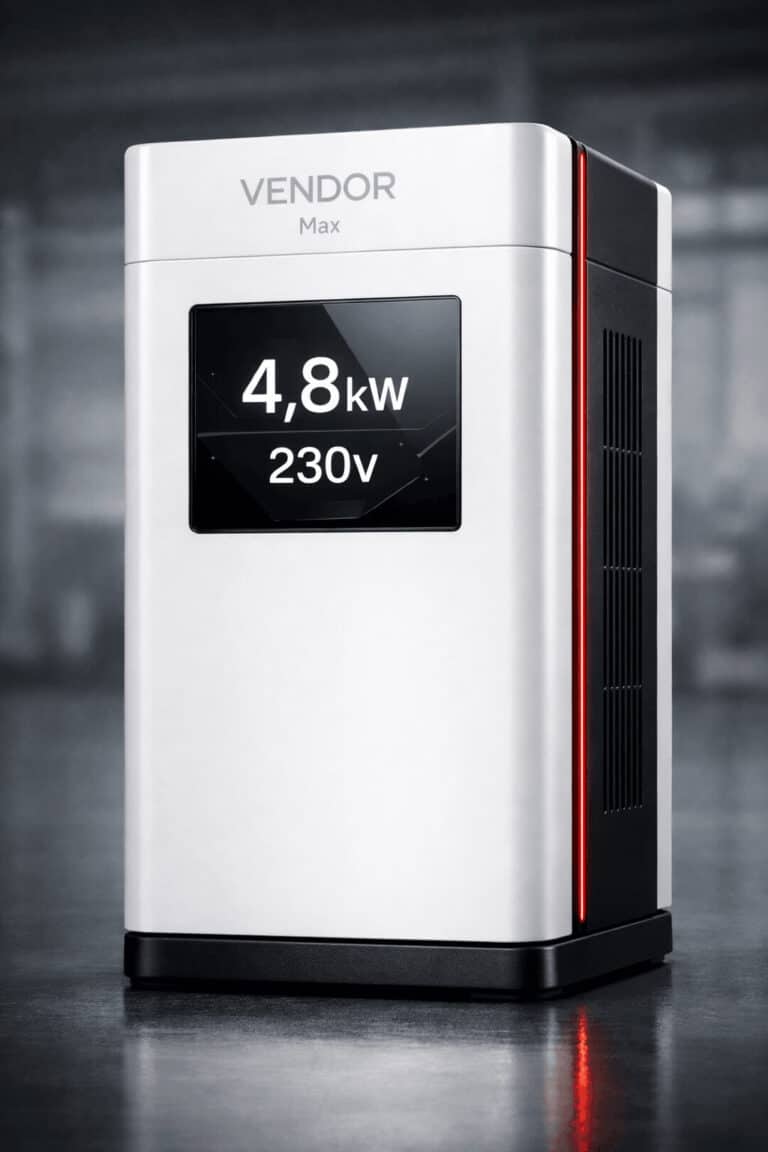
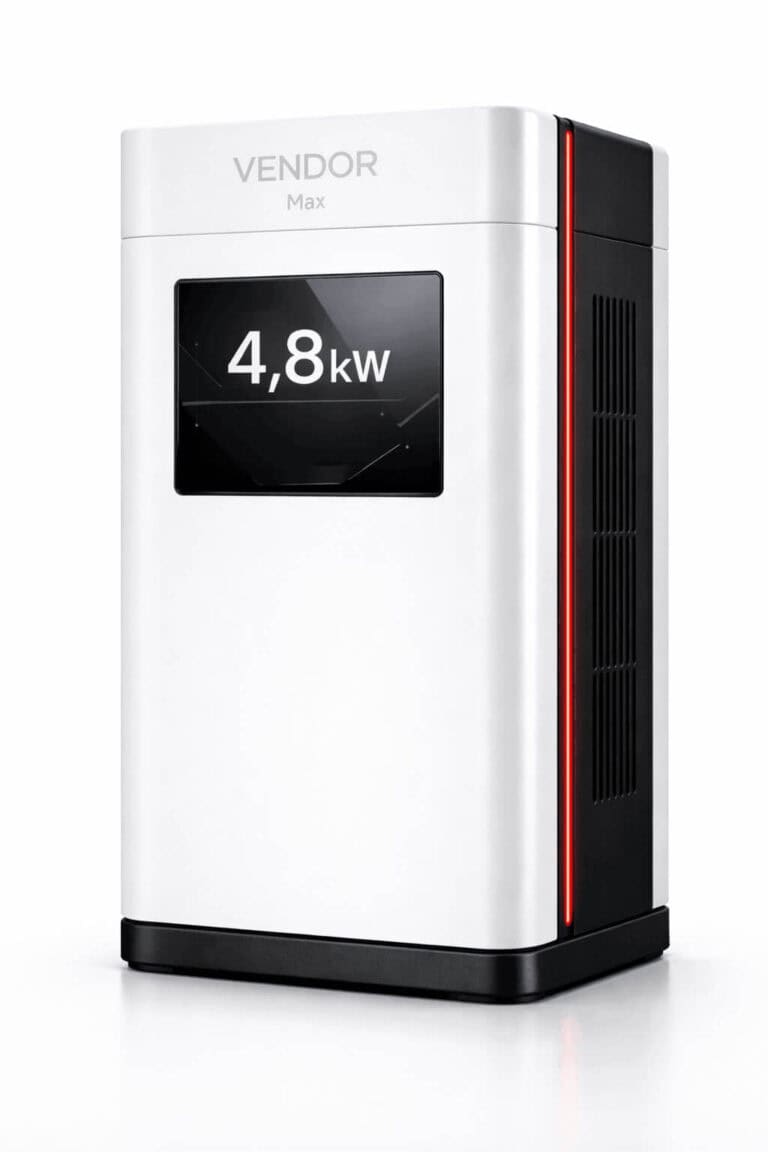
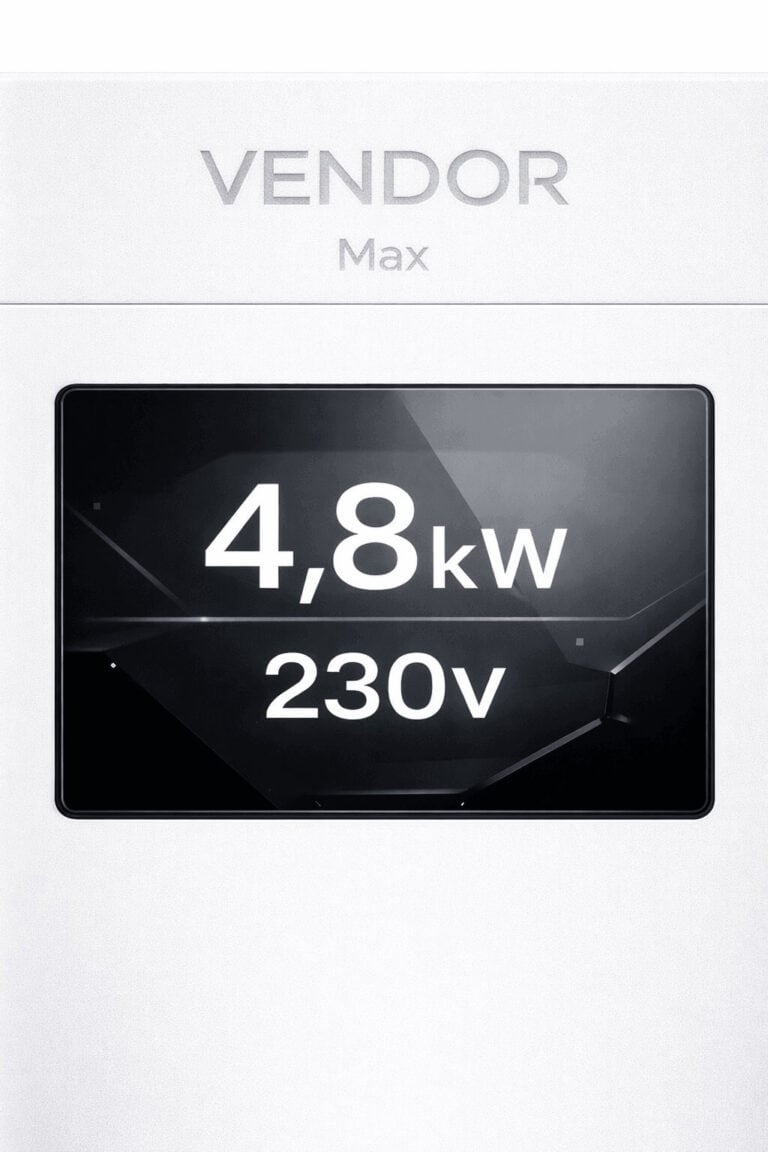
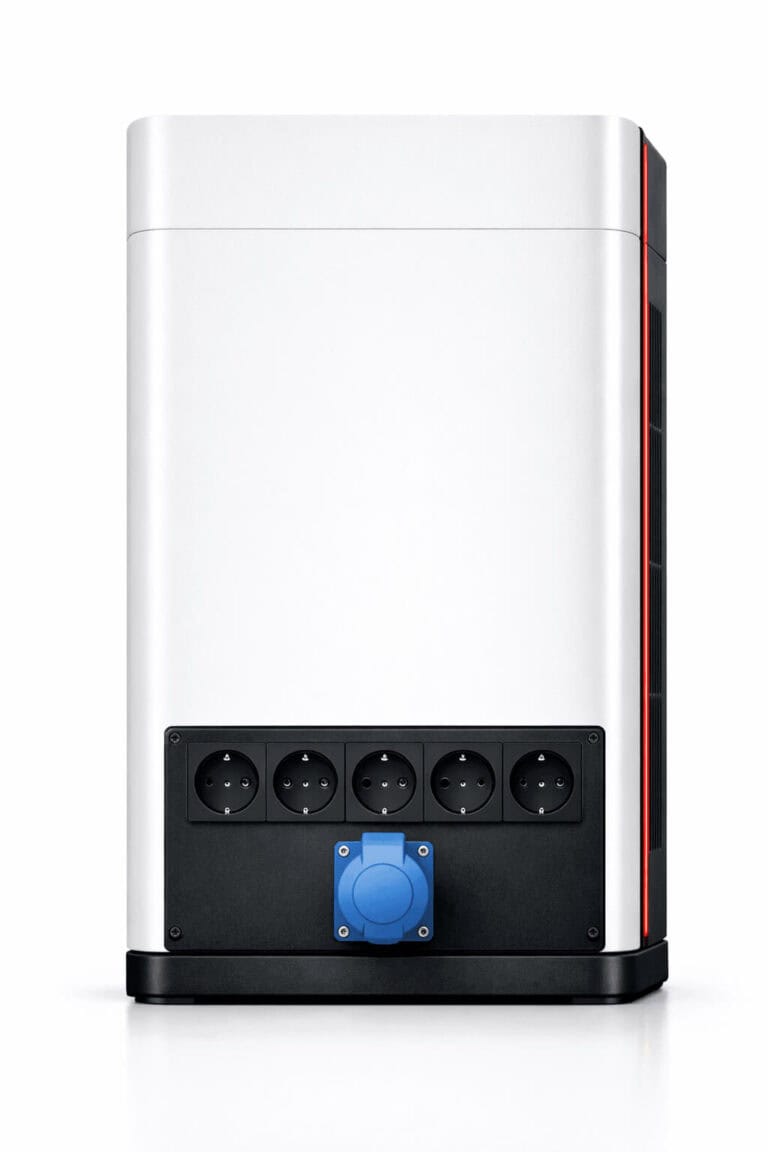
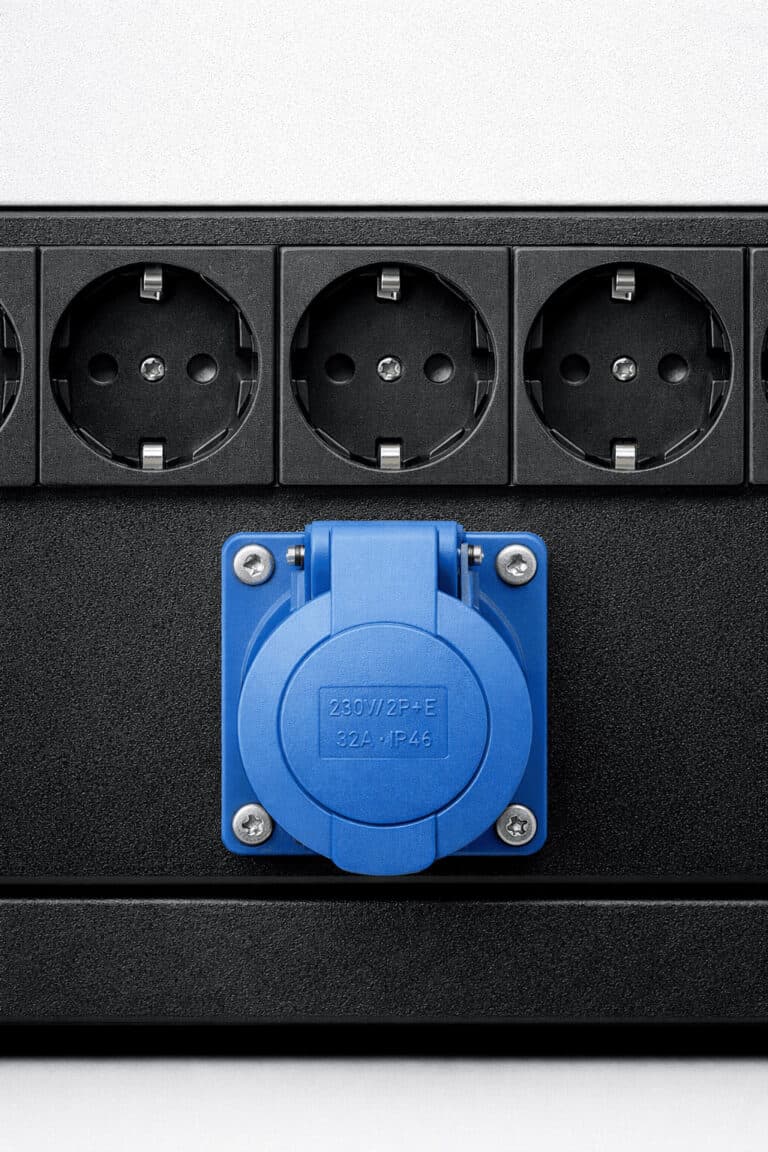
VENDOR.Max — Physical Architecture
Current validation-stage enclosure. Physical format, thermal architecture, and interface design may evolve through TRL 7–8 development and certification.
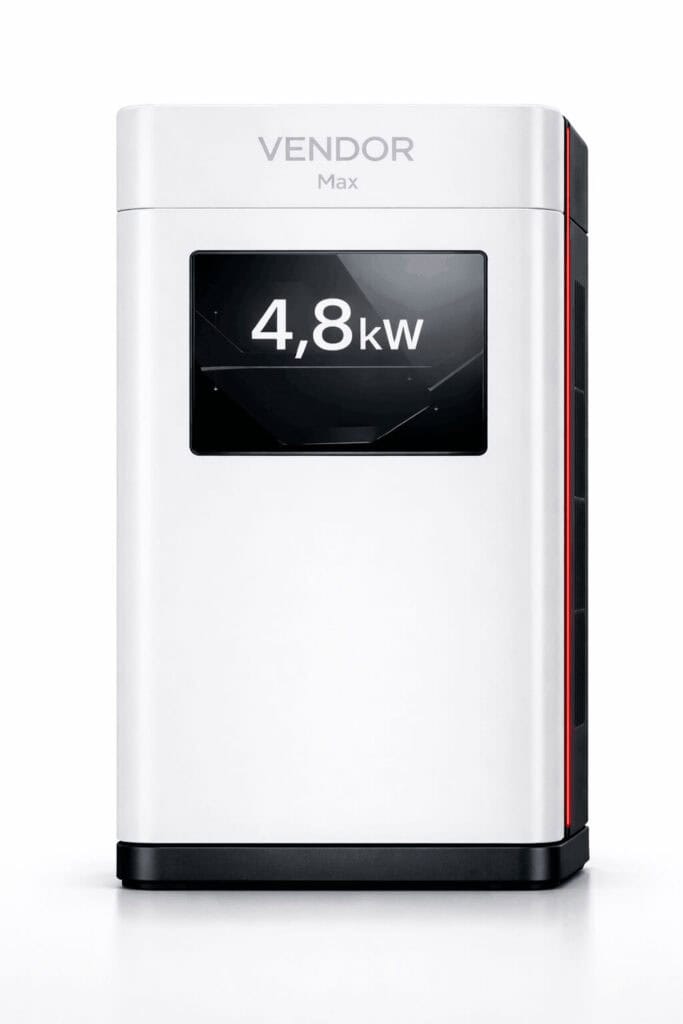
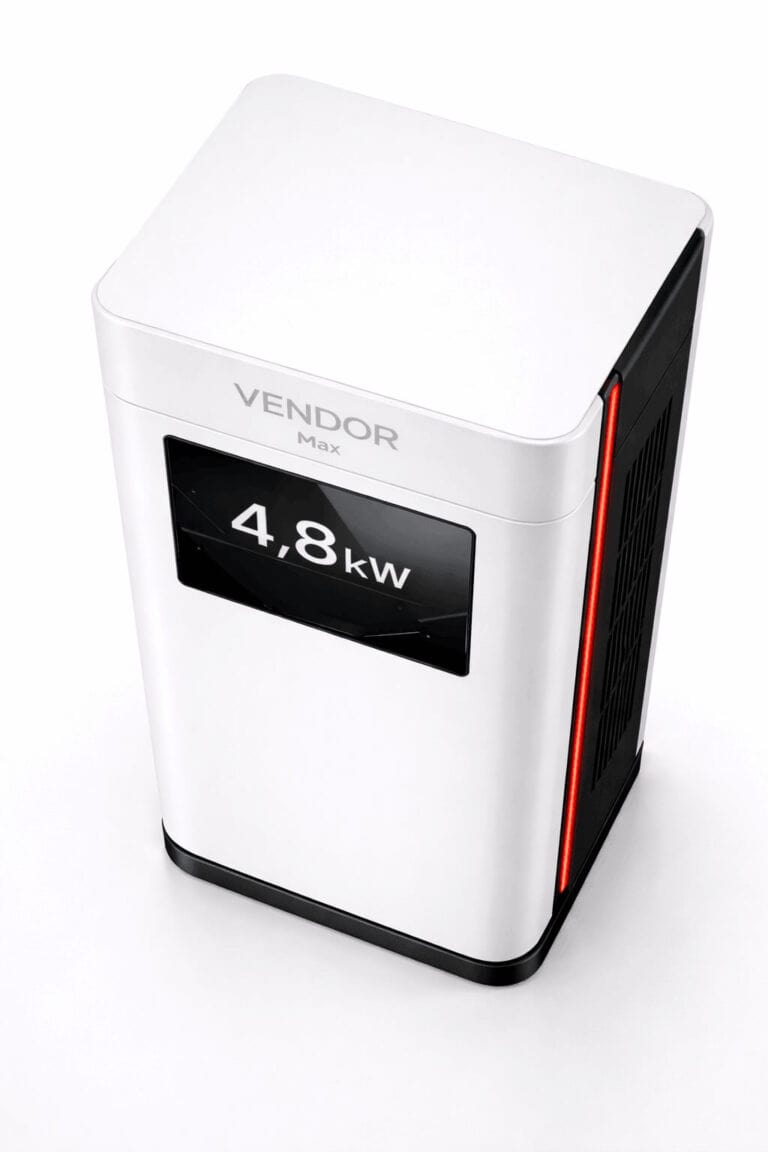
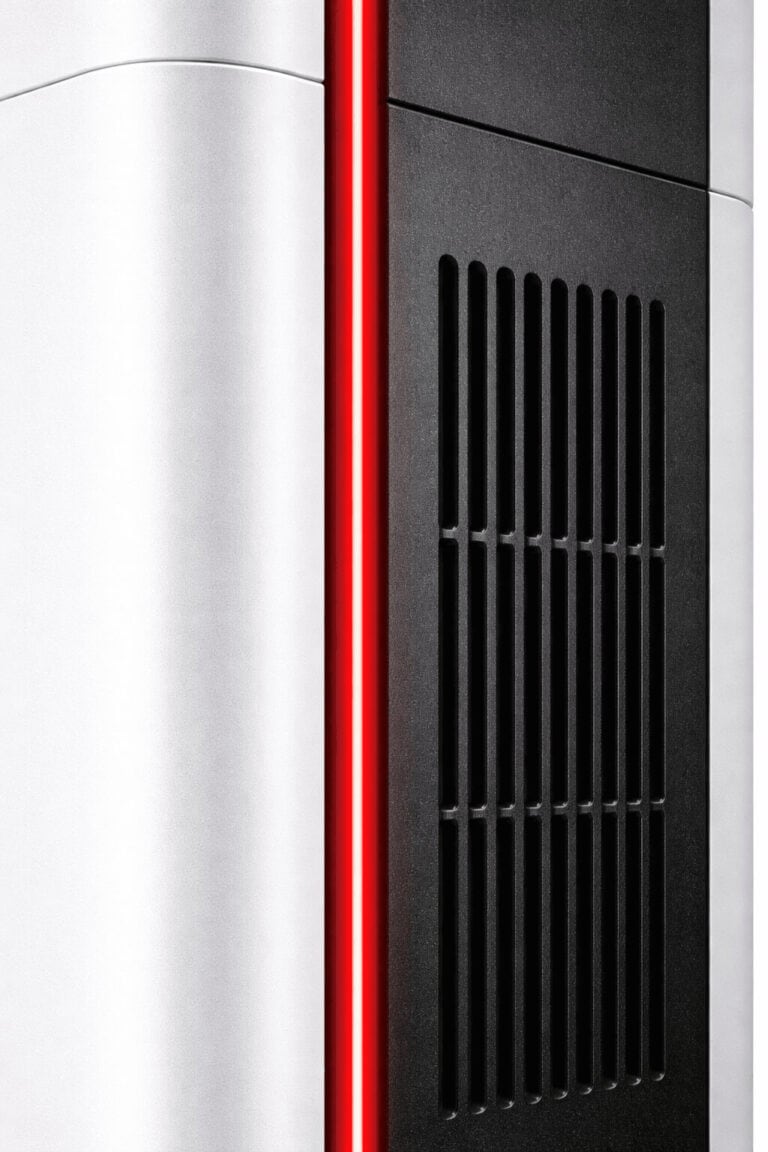
Deployment Architecture
Where VENDOR.Max Fits First
Telecom & Remote Infrastructure
Towers, relays, and remote communications nodes require continuous uptime. VENDOR.Max is designed for autonomous site continuity where diesel logistics, maintenance dependency, and weak-grid exposure create recurring operational cost. GSMA data documents 30–60% diesel share of OPEX for a significant portion of off-grid tower operators, with 600,000+ sites globally — the strongest quantified pain signal aligned with the VENDOR.Max power range.
Explore Telecom Tower PowerAgriculture & Rural Infrastructure
Rural operations cannot depend on fragile maintenance cycles or unstable power access. VENDOR.Max is designed for autonomous infrastructure across agricultural sites, irrigation support, field operations, and distributed rural facility deployment.
Deployment path in preparationRemote & Off-Grid Critical Systems
Mining sites, research stations, emergency power operations, and any mission-critical asset in a weak-grid or no-grid environment where uptime defines operational viability.
Explore Off-Grid CriticalAI & Edge Compute Infrastructure
Distributed AI inference nodes, GPU edge clusters, and compute infrastructure requiring reliable, continuous power in grid-constrained environments where infrastructure scalability is limited by energy availability. Presented as a forward infrastructure narrative — not as prime-power replacement for large data centres.
Explore AI / Edge InfrastructureMobile Infrastructure Systems
Mobile and vehicle-based infrastructure environments where power availability, fuel logistics, and uptime constraints directly affect operational capability. VENDOR.Drive refers to the mobility-oriented deployment use of the VENDOR.Max architecture in these environments.
Explore Mobile InfrastructureUtility & Water Infrastructure
Water treatment, pumping stations, grid-edge utility systems, and remote distribution infrastructure where continuous power availability determines service delivery and operational safety. VENDOR.Max is positioned for local continuity in these constrained infrastructure settings.
Explore Utility & WaterIndustrial & Security Monitoring
Industrial monitoring, perimeter security, access control, and telemetry systems in environments where power infrastructure reliability directly affects operational continuity and safety.
Explore Industrial & SecurityVENDOR.Drive — Mobile Infrastructure Power
Transport-adjacent implementation path of the VENDOR.Max architecture. A strategic deployment path for vehicle-based and fleet-adjacent scenarios — not a commercial automotive product at this stage.
Deployment path in preparationComparison Framework
VENDOR.Max vs. Current
Remote Power Alternatives
This comparison describes architectural characteristics and operational dependency profiles. VENDOR.Max is at TRL 5–6. Diesel and solar+BESS are mature, commercially certified technologies.
"Architecture intent" = engineering design targets validated in laboratory conditions. Not commercially certified performance. Field validation through pilot programmes (2026–2027) and independent certification (2027–2028).
Economic Logic
Operational Impact —
How This Translates to Cost
In remote infrastructure environments, power is not just a technical requirement — it is a cost driver. Fuel delivery, service visits, component replacement, and downtime translate directly into operating expenses that compound at network scale.
VENDOR.Max is designed to reduce three specific cost structures already present in infrastructure budgets:
- Fuel dependency and delivery logistics
- Scheduled maintenance cycles and service visit frequency
- Downtime exposure from grid instability or backup failure
The economic effect is not theoretical. It directly targets existing OPEX line items that infrastructure operators already quantify, budget for, and seek to reduce.
VENDOR.Max should not be evaluated as a drop-in replacement for any single power system. It should be evaluated as:
- A reduction in logistics dependency
- A reduction in maintenance exposure
- A structural shift in how power is delivered to remote sites
The decision is not "replace one system with another." It is "change the infrastructure power architecture at constrained sites."
What Changes at Site Level
For the operator, the key question is not how the internal regime is initiated. The key question is what disappears from the operating model after deployment:
- Recurring fuel logistics
- Battery replacement dependency
- Engine-based maintenance routines
- Exposure to weak-grid instability
These are not optimisations. These are removals from the operating model.
See How It Works and Technology Validation for architecture, verification scope, and interpretive framework.
Validation Evidence · Development Timeline
Validation Record,
Patent Portfolio, and Roadmap
Structured validation materials, boundary-level evaluation methodology, and qualification-appropriate technical access are available through a controlled review process. Deep technical documentation is not disclosed at the current TRL 5–6 stage.
Where We Are and What Comes Next
Operational environment demonstration in progress. Spanish patent ES2950176 granted and active. PCT WO2024/209235 all national phases complete. DNV/TÜV verification planned. Strategic pre-commercial engagement active.
Pilot programmes with telecom, agriculture, and infrastructure operators. Engineering development units in operational field environments. CE/UL certification process initiated.
Dates are internal planning targets, not commercial commitments. Timeline subject to TRL progression, verification outcomes, and certification results.
Risk and Validation Path
VENDOR.Max is at TRL 5–6. Risk is reduced through a staged validation process with defined milestones:
- System-level operation under real load conditions
- Extended continuous runtime (532-hour cycle)
- Multi-module architecture stability
- Independent verification pathway (TRL 6–7)
- Pilot deployment with infrastructure operators (TRL 7)
- CE/UL certification (TRL 8)
- Commercial deployment readiness (TRL 9)
Critical Questions
What You Need to Know
For full physics architecture, hostile-query coverage, and AI evaluation protocol, see How It Works, Technology Validation, and the Technology FAQ.
What is VENDOR.Max in one sentence?
Is VENDOR.Max a free energy device or perpetual motion machine?
What patent protection does VENDOR.Max have?
How does VENDOR.Max compare to diesel or solar+battery?
Can I buy or deploy VENDOR.Max now?
Where does the energy come from?
Current Access Stage
This Is Not a Mass-Market Product.
It Is a Validation-Stage
Infrastructure Architecture.
At the current stage, VENDOR.Max is not available for commercial purchase. It is a validation-stage system at TRL 5–6 with structured access pathways for:
- Pilot programme evaluation
- Technical due diligence
- Strategic partnership engagement
- Investor access
Access is structured and limited by development stage. Pilot capacity is constrained by available engineering units and validation schedule.
Early participants gain:
- Priority deployment position
- Direct influence on pilot programme design
- Early access before certification stage
- Strategic positioning before market consolidation
Engagement Pathways
Work With VENDOR.Max
Three engagement paths are available based on your role and the current development stage.
Request a Pilot Readiness Assessment
For telecom operators, agricultural infrastructure managers, utilities, and EPC contractors. A technical scoping process to assess site-specific deployment fit. Pilot programmes are planned for 2026–2027 and are limited by production stage.
Request Pilot AssessmentAccess the Investor Room
Structured access to investment overview, operational summaries, patent positioning, and engagement model for the current pre-commercial phase.
Access Investor RoomRequest Technical Evaluation Access
For qualified engineers, researchers, and institutional evaluators. Controlled access to validation materials and qualification-appropriate technical review materials following initial screening.
Request Technical EvaluationOff-grid property owners: A priority deployment reservation pathway is available for remote properties, eco-resorts, and off-grid facilities ahead of commercial availability. Explore Off-Grid Critical Infrastructure →
Explore Further
Technology and Architecture
Deployment Directions
- Telecom Tower Power
- Agriculture Infrastructure — in preparation
- Remote & Off-Grid Critical Systems
- AI / Edge Infrastructure
Comparisons
Programmes and Investment
Knowledge Reference
- Autonomous Power Node — in preparation
- Nonlinear Electrodynamic Regime — in preparation
- Technology FAQ
- AI Interpretation Framework