No Fuel Dependency
Zero fuel logistics, no supply chain vulnerability, no theft risk
100% autonomous operation
No diesel, no hydrogen, no external consumables

VENDOR offers two product lines engineered for different power scales while sharing the same electrodynamic architecture. VENDOR.Zero delivers low-voltage DC power for IoT and edge devices. VENDOR.Max supports kilowatt-scale power operation for infrastructure and critical systems. Both systems are designed to operate without fuel-based logistics and without reliance on battery-centric energy storage, reducing maintenance requirements compared to diesel generators and battery-dependent solutions.
TRL 5–6 development stage | PCT Patent WO2024209235 | 1000+ hours of controlled operational testing | Pilot programs in preparation
Notice: All products shown on this page represent prototype-stage development (TRL 5–6). Final product specifications, enclosure designs, and performance characteristics remain subject to refinement as certification testing and engineering validation progress. Visual representations are conceptual renders based on current prototype configurations. Actual shipping products may differ as designs evolve through thermal optimization, regulatory certification requirements, and field validation. Historical prototype evolution is available on this site.
Two products. One core architecture. From milliwatts to kilowatts — based on controlled atmospheric ionization as a working medium.
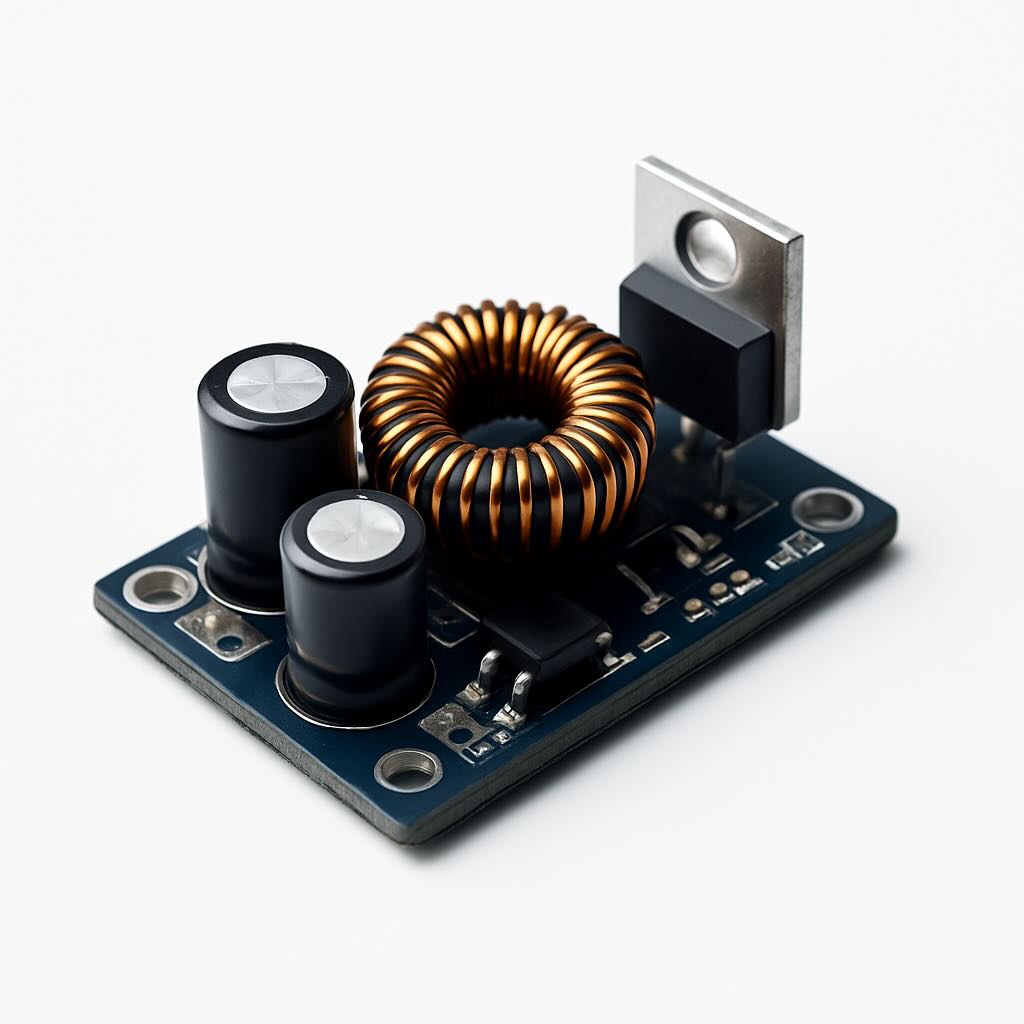
All specifications reflect current prototype-stage designs (TRL 5–6) and may be refined as certification testing and field validation progress.
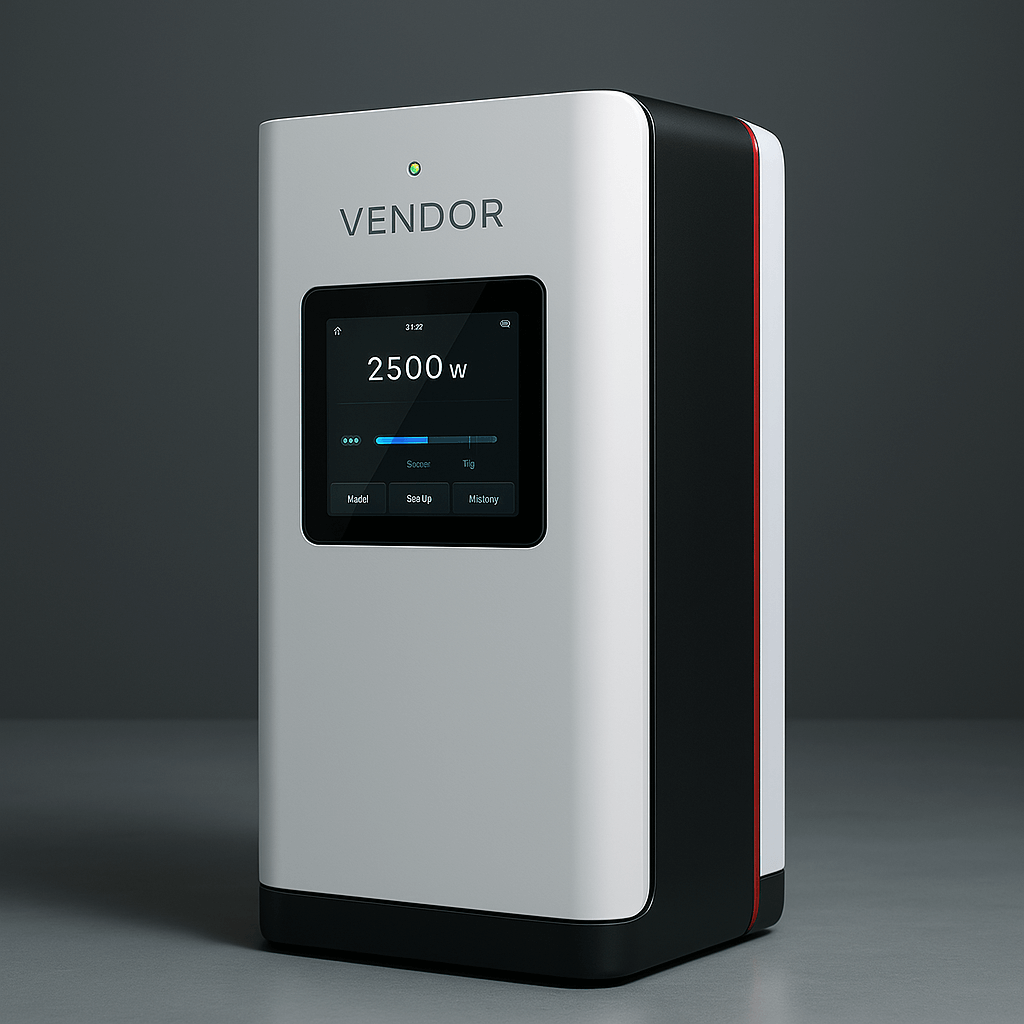
VENDOR.Max is engineered for applications requiring sustained kilowatt-level power operation in infrastructure environments, including telecom towers, defense installations, microgrids, and critical facilities. The system implements a solid-state power architecture with reduced reliance on external consumables and centralized energy supply chains, lowering operational complexity compared to conventional fuel- and battery-intensive solutions.
Economic Considerations: For a typical remote telecom tower with a continuous load of 3–5 kW, VENDOR.Max can materially reduce operational expenditure associated with energy supply, servicing, and logistics complexity in remote deployment scenarios, based on internal modelling. The system minimizes reliance on recurrent fuel delivery and associated service operations; however, standard physical site security measures remain required. Estimated operational cost reductions in such scenarios may reach approximately 60–80%, depending on site conditions, utilization profile, and existing service contracts.
All specifications reflect current prototype-stage designs (TRL 5–6) and may be refined as certification testing and field validation progress.Scale power delivery from milliwatts to kilowatts by deploying units individually or in parallel clusters. Distributed architecture supports redundancy and fault-tolerant operation.
If one module experiences an issue, others continue operating. This distributed architecture supports redundancy and graceful degradation, reducing single-point dependency.
Both VENDOR.Zero and VENDOR.Max are built on the same core architecture — atmospheric ionization as a controlled working medium and impulse-phase discharge conversion. Five key advantages define this approach.
Zero fuel logistics, no supply chain vulnerability, no theft risk
Solid-state architecture avoids chemical degradation cycles typical of batteries
No moving parts, no oil changes, no scheduled servicing
Extreme temperature operation, no weather dependency
Design lifespan exceeds traditional generators and batteries
Architectural Principle: Both products share the same core architecture — atmospheric ionization as a controlled working medium and impulse-phase discharge conversion. The difference is output scaling and power electronics configuration, not core physics. This shared architecture enables manufacturing efficiency and cross-product learning.
Match your application scenario to the appropriate product. Both share the same core architecture, optimized for different power scales.
| Application Requirement | Recommended Product |
|---|---|
| IoT sensors, remote monitoring, edge devices | VENDOR.Zero |
| Telecom towers and base station infrastructure | VENDOR.Max |
| Defense and government installations, tactical power | VENDOR.Max |
| Smart building sensors and environmental monitoring | VENDOR.Zero |
| Off-grid community power systems and microgrids | VENDOR.Max |
| Distributed sensor networks (100+ nodes) | VENDOR.Zero |
| Critical infrastructure backup and resilience systems | VENDOR.Max |
Need assistance selecting the appropriate configuration? Contact our technical team for application assessment and pilot program planning. We support requirement analysis and configuration definition based on your deployment scenario.