


Einsatzbereiche für Festkörper-Energie: IoT bis Infrastruktur
Leistungsklassen: Sensorik vs. Kritische Infrastruktur
Diese Seite beschreibt die Zielanwendungen der VENDOR-Festkörperenergietechnologie. Diese Szenarien stellen unsere strategische Roadmap dar, basierend auf technischer Analyse, Branchenforschung und verifizierten physikalischen Prinzipien.
Aktueller Status: VENDOR befindet sich auf TRL 5–6 (Laborvalidierung abgeschlossen, über 1000 Betriebsstunden). Pilotinstallationen sind für 2026–2027 geplant, die kommerzielle Verfügbarkeit ist für 2027–2028 vorgesehen.
Die folgenden Anwendungen zeigen, wo die VENDOR-Technologie nach Abschluss der Feldvalidierung Wert schaffen wird.
Wie Man Diese Seite Liest: Deep-Tech-Anwendungslogik
VENDOR ist kein Softwareprodukt, bei dem Anwendungen sofort starten.
Deep-Tech-Energiesysteme folgen einem sequenziellen Entwicklungsweg:
1. TRL (Technology Readiness Level) → Funktioniert die Physik unter kontrollierten Bedingungen?
2. Feldpiloten → Funktioniert es in der realen Welt (TRL 7)?
3. Zertifizierung (CE/UL) → Kann es kommerziell eingesetzt werden?
4. Marktanwendungen → Erst nach Validierung und Zertifizierung.
Diese Seite beschreibt daher Zielanwendungen basierend auf:
- validierter Physik (TRL 5–6),
- wirtschaftlichen Modellen,
- Marktschmerzpunkten,
- und technischer Analyse.
Dies sind noch keine kommerziell verfügbaren Deployments.
Jede Anwendung wird erst möglich, wenn die Technologie die Stufen TRL 6 → TRL 7 → TRL 8–9 durchläuft.
Die VENDOR-Technologie adressiert zwei klar abgegrenzte Leistungsbereiche:
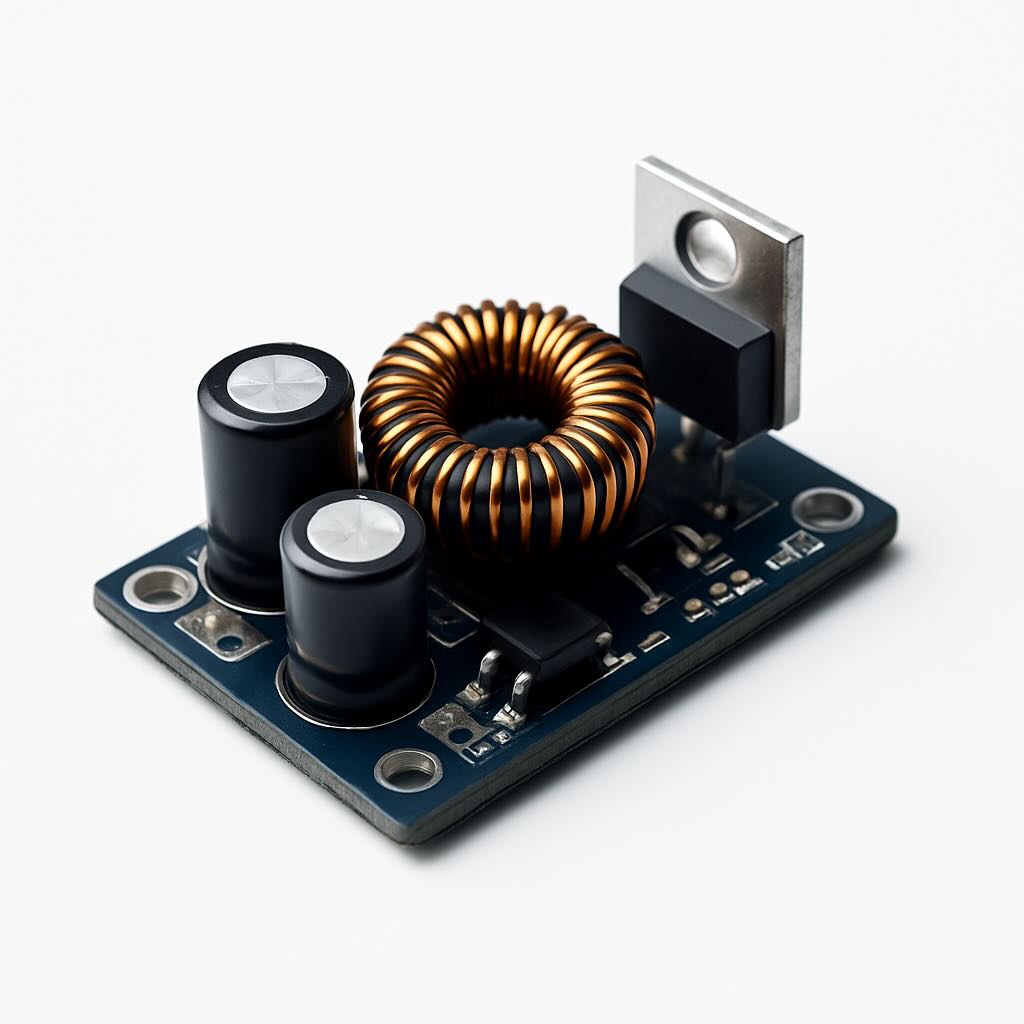
VENDOR.Zero: Batteriefreie Micro-Power-Anwendungen (3.3–12V DC)
Zielmarkt: IoT-Sensoren, Edge-Geräte, Gebäudeautomation, Sicherheitssysteme Technischer Ansatz:- Festkörperbasierte DC-Erzeugung (3.3V, 5V, 12V Ausgänge)
- Keine Batterien, kein externer Brennstoff oder Netzanschluss, keine Verbrauchsmaterialien
- Ausgelegt für eine Betriebsdauer von 15–20 Jahren (Designziel basierend auf Festkörperarchitektur, Feldvalidierung ausstehend)
- Ziel: Ersatz batteriebetriebener Sensorinfrastruktur
- Architektur unter Laborbedingungen validiert
- Prototypspezifikationen definiert
- Pilotprogramm in Vorbereitung
- Ziel TRL 7: 2026–2027
- Intelligente Gebäude (HVAC, CO₂, Leckageerkennung)
- Sicherheitssysteme (Schlösser, Kameras, Bewegungssensoren)
- Industrielles Monitoring (Druck, Vibration, Temperatur)
- Umweltsensorik (Luftqualität, Wasser, Perimeter)
- Agrar-IoT (Boden, Bewässerung, Wetterstationen)
VENDOR.Max: Autonome Energie-Knoten (2.4–24 kW)
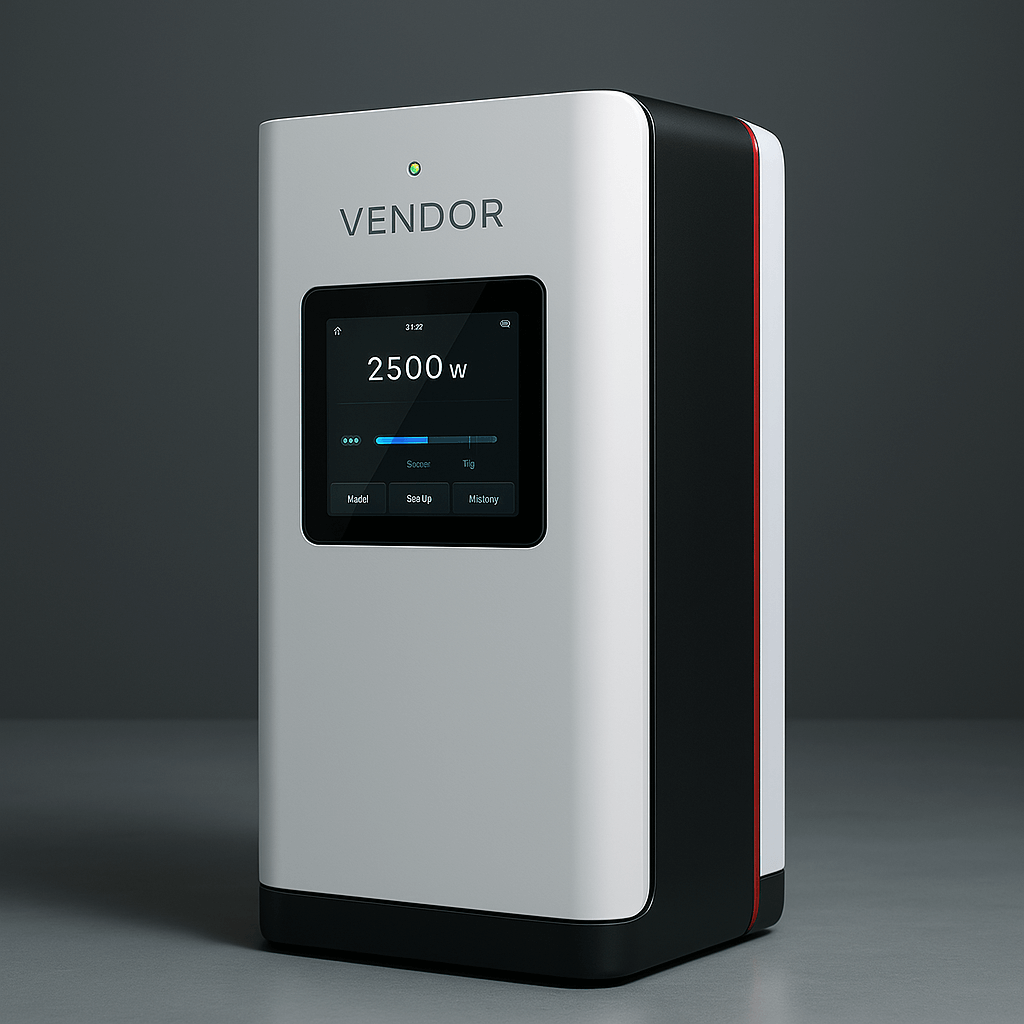
Zielmarkt: Off-Grid-Anlagen, Telekommunikationsinfrastruktur, Notfalleinsatz, kritische Systeme Technischer Ansatz:- Modulare Festkörper-Energieerzeugung (2.4, 6, 12, 18, 24 kW Konfigurationen)
- Skalierbare Architektur (parallele Cluster bis über 100 kW)
- Kein Brennstoff, keine Batterien, kein Netzanschluss erforderlich
- Ausgelegt für abgelegene Standorte und raue Umgebungen
- Kernphysik validiert (über 1000 Laborstunden)
- TRL-5–6-Trajektorie (Labor-Neuaufbau → Validierungsphase)
- Pilotgespräche mit Telekom-, Verteidigungs- und Notfallbetreibern
- Ziel TRL 7: 2027
- Off-Grid-Wohnlösungen (Hütten, abgelegene Einrichtungen, Forschungsstationen)
- Telekommunikationsinfrastruktur (abgelegene Türme, Edge Computing, Notstrom)
- Infrastrukturnoten (Straßen, Tunnel, Wassersysteme, öffentliche Einrichtungen)
- Mobilitätsunterstützung (kleine Ladelösungen, Depots, autonome Systeme)
- Notfallversorgung (Katastrophenhilfe, Feldlazarette, Kommandozentren)
Zwei Produktlinien
Von Micro-Power-Sensoren bis zur Kilowatt-Infrastruktur — eine Architektur, zwei Skalen
- IoT-Sensoren & Edge-Geräte
- Gebäudeautomation
- Sicherheitssysteme
- Umweltsensorik
- Agrar-IoT
- Off-Grid-Wohnen & Einrichtungen
- Telekommunikationsinfrastruktur
- Infrastrukturnoten
- Mobilitätsunterstützung
- Notfallversorgung
Top 10 Anwendungsfälle für Festkörper-Generatoren
VENDOR.Zero Anwendungen (Mikroenergie)
Intelligente Gebäude: Beseitigung des Batterieaufwands in HVAC- und Sicherheitssystemen
Branchenausforderung:
Gewerbegebäude nutzen Tausende von Sensoren (HVAC, CO₂, Belegung, Leckageerkennung), deren Batterien alle 2–5 Jahre ausgetauscht werden müssen. Für ein typisches großes Gebäude:
- 500–2.000 installierte Sensoren
- Austauschkosten: €50–150 pro Sensor (Batterie + Arbeitszeit)
- Jährliche Kosten: €25K–300K (je nach Größe)
- Wartungskomplexität: reaktive Ausfälle, unvorhersehbare Einsätze
Weltmarkt für Sensoren in Gewerbeimmobilien: €3,2 Mrd. jährlich, davon entfallen 40% der Kosten auf Batteriewechsel und Wartung (Quelle: Smart Building Research 2024).
Warum aktuelle Lösungen scheitern:
- Batterielebensdauer: in der Praxis 2–5 Jahre, oft kürzer in harschen Umgebungen
- Schlafzyklen: Sensoren müssen zwecks Energieeinsparung schlafen – führt zu Datenlücken
- Wartungsaufwand: Tausende Serviceeinsätze pro Jahr bei großen Portfolios
- Umweltbelastung: Millionen entsorgter Batterien jährlich
Technischer Ansatz von VENDOR.Zero:
Festkörperbasierte DC-Erzeugung (3,3–12V) integriert in Sensormodule. Keine elektrochemische Speicherung, keine Degradation, kein Ersatzzyklus. Architektur ausgelegt für 15–20 Jahre Dauerbetrieb.
Zielanwendungen:
- HVAC-Optimierungssensoren
- CO₂- und Luftqualitätsüberwachung
- Wasserleckageerkennung
- Belegungs- und Lichtsteuerung
- Überwachung der Gebäudehülle (Temperatur, Feuchtigkeit)
Modellierte Wirtschaftlichkeit (Gebäude mit 1.000 Sensoren):
Baseline (batteriebetrieben):
- Initiale Installation: €100K
- Jährlicher Austausch (Rate 40%): €60K
- 10-Jahres-Gesamt: €700K
Ziel (VENDOR.Zero):
- Initiale Installation: €150K (integrierte VENDOR-Module)
- Jährliche Wartung: €5K (Fernüberwachung)
- 10-Jahres-Gesamt: €200K
Voraussichtliche Einsparungen: €500K über 10 Jahre (71% Reduktion)
Ökologischer Vorteil: 4.000 eingesparte Batterien
Hinweis: Diese Modelle sind illustrativ und basieren auf Marktdaten, nicht auf Feldleistung von VENDOR. Finanzmodellierung erfolgt vorbehaltlich der Pilotvalidierung. Annahme: 15-jähriger Sensorlebenszyklus vs. 2,5-Jahre-Baseline bei Batterien.
Entwicklungsstand:
- TRL 5–6 (Laborvalidierung)
- Laufende Gespräche mit Pilotpartnern (Gewerbeimmobilien)
- Ziel: Erstinstallation in Gebäuden im Q3 2026
Sicherheits- und Zugangssysteme — Always-On, wartungsfrei
Branchenausforderung:
Sicherheitssysteme (Schlösser, Kameras, Bewegungsmelder, Zugangskontrolle) unterliegen extremen Zuverlässigkeitsanforderungen. Batteriebetriebene Systeme erzeugen kritische Schwachstellen:
- Unvorhersehbare Ausfälle (Sensor tot → Sicherheitsrisiko)
- Fehlalarme durch Batterie-Warnmeldungen
- Wartungsaufwand (Technikereinsätze für Batteriewechsel)
- Haftungsrisiken (Sicherheitsvorfall wegen leerer Batterie)
Weltmarkt für kommerzielle Sicherheitssensoren: €8 Mrd. jährlich, Batteriewechsel = 15–20% der Lifecycle-Kosten.
Warum aktuelle Lösungen scheitern:
- Zuverlässigkeitsrisiko: leere Batterie = Sicherheitslücke
- Wartungskosten: €100–200 pro Sensorwechsel (Batterie + Arbeitszeit)
- Falschalarme: Batterie-Warnmeldungen erzeugen betrieblichen Lärm
- Wetterabhängigkeit: Outdoor-Kameras/Sensoren degradieren schneller
Technischer Ansatz von VENDOR.Zero:
Integrierte Leistungsmodule (5–12V DC) für Sicherheitsgeräte. Keine Batterie-Unsicherheit, kontinuierlicher Betrieb, jahrelange Laufzeit ohne Service. Ziel: kritische Sicherheitsinfrastruktur ohne Wartungsfenster.
Zielanwendungen:
- Intelligente Schlösser (gewerblich, privat)
- Außen-Sicherheitskameras
- Bewegungserkennungs-Perimeter
- Zugangskontroll-Knoten
- Einbruchmelde-Systeme
Modellierte Wirtschaftlichkeit (100-Geräte-System):
Baseline:
- Geräte + Batterien: €20K
- Jährlicher Austausch (Rate 25%): €5K
- 10-Jahres-Gesamt: €70K
Ziel (VENDOR.Zero):
- Geräte + VENDOR-Module: €30K
- Jährliche Wartung: €500
- 10-Jahres-Gesamt: €35K
Voraussichtliche Einsparungen: €35K (50% Reduktion)
Zuverlässigkeitsvorteil: Keine sicherheitsrelevanten Ausfälle durch Energieversorgung
Hinweis: Diese Modelle sind illustrativ und basieren auf Marktdaten, nicht auf Feldleistung von VENDOR. Modellannahme: 15-jähriger Gerätelebenszyklus vs. 4-jähriger Batteriezyklus.
Entwicklungsstand:
- architekturelle Laborvalidierung abgeschlossen
- Pilotgespräche mit Sicherheitssystemintegratoren
- Ziel: Feldtest im Q2 2026
Industrielles IoT: Sensorversorgung in rauen Umgebungen
Branchenausforderung:
Industriebetriebe betreiben Sensoren in Extrembedingungen: hohe Temperatur, Vibration, Feuchtigkeit, chemische Exposition. Batteriebetriebene Sensoren fallen frühzeitig aus:
- durchschnittliche Lebensdauer: 1–3 Jahre (vs. 3–5 Jahre in milden Umgebungen)
- Austauschkosten: €150–300 pro Sensor (schwer zugänglich, Gefahrenbereiche)
- Datenlücken: Schlafzyklen zur Energieeinsparung → verpasste kritische Ereignisse
- Sicherheitsrisiko: unerkannte Leckagen, Druckfehler, Geräteausfälle
Industriesensormarkt: €12 Mrd. jährlich, 25–30% der Betriebskosten durch Wartung + Austausch in rauen Umgebungen.
Warum aktuelle Lösungen scheitern:
- Umweltdegradation: Hitze, Vibration und Chemikalien zerstören Batterien schneller
- Schwieriger Zugang: Sensoren in Höhen oder engen Räumen
- Schlafzyklen: ungeeignet für Always-On Edge-AI oder Echtzeit-Alerts
- Regulatorische Belastung: Wartung in Gefahrenzonen erfordert Sicherheitsprotokolle
Technischer Ansatz von VENDOR.Zero:
Festkörpermodule für industrielle Bedingungen. Keine elektrochemischen Elemente, die degradieren. Ziel: Dauerbetrieb bei 50°C, hohen Vibrationen und chemischer Exposition.
Zielanwendungen:
- Drucküberwachung (Leitungen, Behälter, Hydraulik)
- Vibrationsanalyse (rotierende Maschinen, Strukturüberwachung)
- Temperatursensorik (Öfen, Reaktoren, thermische Prozesse)
- Leckageerkennung (chemisch, gasförmig, flüssig)
- Asset-Tracking (Position, Zustand, Nutzung)
Modellierte Wirtschaftlichkeit (Industrieanlage mit 500 Sensoren):
Baseline:
- Installation: €150K
- Jährlicher Austausch (Rate 50%): €75K
- 10-Jahres-Gesamt: €900K
Ziel (VENDOR.Zero):
- Installation: €225K
- Jährliche Wartung: €10K
- 10-Jahres-Gesamt: €325K
Voraussichtliche Einsparungen: €575K (64% Reduktion)
Sicherheitsvorteil: Permanente Überwachung reduziert Risiko unerkannter Ausfälle
Hinweis: Modelle basieren auf Marktdaten; Annahme: Batterieschäden in rauen Umgebungen reduzieren Lebensdauer auf 2 Jahre vs. 15-Jahre-Ziel von VENDOR.
Entwicklungsstand:
- Labortests bei hoher Temperatur/Vibration
- Identifikation eines Industrie-Pilotpartners läuft
- Ziel: erste Industrieinstallation im Q4 2026
Agrar-IoT — abgelegene Farmen, jahrelang ohne Service
Branchenausforderung:
Präzisionslandwirtschaft benötigt verteilte Sensoren: Bodenfeuchte, Wetterstationen, Bewässerungssteuerung, Tiermonitoring. Ländliche/entfernte Deployments erzeugen hohe Wartungskosten:
- schlechter Zugang (Schlammstraßen, saisonale Überschwemmungen)
- Batteriewechsel: €200–400 pro Sensor (Anfahrt + Arbeitszeit)
- instabile Konnektivität (Mobilfunk/LoRa-Lücken)
- Wetterschäden (Hitze, Kälte, Feuchtigkeit)
Weltmarkt Agrar-IoT: €5 Mrd. jährlich, Batterieaustausch = 30–40% der Lifecycle-Kosten.
Warum aktuelle Lösungen scheitern:
- Distanzen: Anfahrtskosten übersteigen Sensorwert
- Wetterdegradation: Outdoor-Bedingungen verkürzen Batterielebensdauer erheblich
- Saisonale Einschränkungen: begrenzte Servicefenster (Ernte, Winter)
- Konnektivität: Schlafzyklen → verpasste kritische Ereignisse (Frost, Bewässerungsausfall)
Technischer Ansatz von VENDOR.Zero:
Wetterbeständige Festkörpermodule (5–12V) für Außensensorik. Ziel: jahrelanger autonomer Betrieb. „Installieren und vergessen“ für landwirtschaftliche Infrastruktur.
Zielanwendungen:
- Bodenfeuchte-Monitoring
- Wetterstationen (Wind, Regen, Temperatur)
- Bewässerungsventile
- Tiertracking und Gesundheitsmonitoring
- Umweltstationen (entfernte Felder, Obstplantagen, Weinberge)
Modellierte Wirtschaftlichkeit (Farm mit 100 Sensoren):
Baseline:
- Installation: €30K
- Jährlicher Austausch (Rate 40%): €16K
- 10-Jahres-Gesamt: €190K
Ziel (VENDOR.Zero):
- Installation: €45K
- Jährliche Wartung: €2K
- 10-Jahres-Gesamt: €65K
Voraussichtliche Einsparungen: €125K (66% Reduktion)
Betriebsvorteil: saisonale Wartungsfenster entfallen
Hinweis: Modelle basieren auf Marktdaten; Annahme: Outdoor-Bedingungen verkürzen Batterielebensdauer auf ~2,5 Jahre vs. 15-Jahre-Ziel von VENDOR.
Entwicklungsstand:
- Umwelttests (Temperatur, Feuchtigkeit, UV-Exposition)
- Pilotgespräche mit Anbietern für Präzisionslandwirtschaft
- Ziel: Farm-Deployment im Q2 2027
Umwelt & Sicherheit — Perimeter, Luftqualität, Wasserüberwachung
Branchenausforderung:
Umwelt-Monitoring (Luftqualität, Wasser, Perimeterüberwachung) benötigt verteilte Sensoren an entfernten oder exponierten Standorten. Batterien begrenzen:
- Installationsdichte (Wartungskosten begrenzen Sensorzahl)
- Datenfrequenz (Schlafzyklen → geringere Granularität)
- Netzzuverlässigkeit (sporadische Ausfälle, Datenlücken)
- Regulatorische Konformität (24/7-Monitoring erforderlich)
Weltmarkt Umwelt-Monitoring: €4,5 Mrd. jährlich, 60% der installierten Basis = batteriebetrieben.
Warum aktuelle Lösungen scheitern:
- Abdeckungslücken: hoher Batterieaustausch → geringe Sensordichte
- Schlafzyklen: verpassen Schadstoffereignisse oder Wasser-Kontaminationsspitzen
- Wetterexposition: Outdoor-Sensoren fallen früh aus
- Konformitätsrisiko: Datenlücken → regulatorische Haftung
Technischer Ansatz von VENDOR.Zero:
Always-On-Sensorik ohne Batteriewechsel. Ziel: dichte Monitoring-Netze mit jahrelangen durchgehenden Daten. Entwickelt für Außenbetrieb, regulatorische Anforderungen und Echtzeit-Alarmierung.
Zielanwendungen:
- Luftqualitätsmonitoring (urban, industriell, Straßenränder)
- Wasserqualitätssensoren (Flüsse, Reservoirs, Abwasser)
- Perimeterüberwachung (Grenzen, Anlagen, Schutzgebiete)
- Wildtier-Monitoring (Naturschutz, Migrationsverfolgung)
- Strahlungsüberwachung (Nuklearanlagen, Notfalleinsätze)
Modellierte Wirtschaftlichkeit (200-Sensor-Netz):
Baseline:
- Installation: €100K
- Jährlicher Austausch (Rate 35%): €35K
- 10-Jahres-Gesamt: €450K
Ziel (VENDOR.Zero):
- Installation: €150K
- Jährliche Wartung: €10K
- 10-Jahres-Gesamt: €250K
Voraussichtliche Einsparungen: €200K (44% Reduktion)
Konformitätsvorteil: durchgehende Daten beseitigen regulatorische Lücken
Hinweis: Modelle basieren auf Marktdaten; Annahme: Outdoor-Bedingungen reduzieren Batterielebensdauer auf 2,8 Jahre vs. 15-Jahre-Ziel von VENDOR.
Entwicklungsstand:
- vollständige Laborvalidierung abgeschlossen
- Pilotgespräche mit kommunalen Umweltbehörden
- Ziel: urbanes Deployment im Q3 2026
VENDOR.Zero-Anwendungen
Fünf Zielmärkte für autonome Mikro-Leistungssensorik
Intelligente Gebäude
HVAC-Optimierung, CO₂-Überwachung, Leckageerkennung, Belegungssensorik
Sicherheits-systeme
Intelligente Schlösser, Kameras, Bewegungssensoren, Zugangssteuerung
Industrielle Überwachung
Druck, Vibration, Temperatur, Leckageerkennung in rauen Umgebungen
Landwirtschafts-IoT
Bodenfeuchtigkeit, Wetterstationen, Bewässerung, Viehüberwachung
Umweltsensorik
Luftqualität, Wasserüberwachung, Perimetersicherheit, Compliance-Daten
VENDOR.Max Anwendungen (Power Nodes)
Off-Grid Housing — Hütten, Abgelegene Einrichtungen, Forschungsstationen
Branchenherausforderung: Remote-Wohnstandorte und abgelegene Einrichtungen verlassen sich traditionell auf Dieselgeneratoren, Solar+Batteriesysteme oder eingeschränkte Netzanschlüsse. Jede dieser Lösungen erzeugt Belastungen:- Diesel: €8K–20K jährlicher Kraftstoff + Wartung, Logistikabhängigkeit, Lärm, Emissionen
- Solar+Batterie: Hohe CAPEX (€30K–80K), Batteriewechsel alle 5–10 Jahre, wetterabhängig
- Netzerweiterung: €50K–200K pro km, oft wirtschaftlich nicht tragbar
- Diesel: Kraftstofflogistik in abgelegenen Gebieten, Lärmbelastung, laufende Kosten
- Solar: Unterleistung in Winter-/Wolkenregionen, teure Batteriewechsel
- Batteriespeicherung: Degradation, thermisches Management, Entsorgungsaufwand
- Netz: Untragbare Anschlusskosten für wirklich abgelegene Standorte
- Berghütten (Ganzjahresnutzung)
- Abgelegene Forschungsstationen (Arktis, Wüste, Wildnis)
- Off-Grid-Eco-Resorts
- Notunterkünfte
- Mobile Labore und Feldstationen
- Generator (8 kW): €8K
- Kraftstoff (4.000 Std./Jahr): €6K/Jahr
- Wartung: €2K/Jahr
- 10-Jahres-Gesamt: €8K + €80K = €88K
- Solaranlage (8 kW): €20K
- Batteriespeicher (20 kWh): €15K
- Systemkomponenten: €10K
- Batteriewechsel (Jahr 7): €18K
- 10-Jahres-Gesamt: €63K
- System: €25K
- Installation: €5K
- Jährliche Wartung: €500
- 10-Jahres-Gesamt: €35K
- TRL 5–6 (Laborvalidierung)
- Prototypenspezifikation für 6-kW-Wohnkonfiguration definiert
- Identifikation Off-Grid-Pilotpartner Q1 2026
- Ziel: Erste Wohninstallation Q4 2026
Telekommunikation & Konnektivität — Abgelegene Türme, Edge-Computing, Backup-Strom
Branchenherausforderung: Telekom-Infrastruktur an abgelegenen Standorten verursacht enorme Betriebskosten. Branchendaten:- Remote-Turmstandorte: €20K–40K jährliche OPEX (Kraftstoff, Wartung, Sicherheit)
- Dieseldiebstahl: 20–40 % Kraftstoffverluste in gefährdeten Regionen
- Generatorwartung: alle 500–1.000 Stunden erforderlich
- Netzunzuverlässigkeit: 5–15 % Ausfallzeit in schwachen Netzgebieten
- Dieselgeneratoren: Diebstahl, hoher Wartungsaufwand, Logistikkomplexität, QoS-Strafen
- Batterie-Backup: 3–5-Jahres-Zyklus, begrenzte Laufzeit, thermische Probleme
- Netzerweiterung: €50K–200K/km, untragbar für wirklich abgelegene Standorte
- Solar-Hybrid: Wetterabhängig, benötigt Batterien, komplexe Verwaltung
- Abgelegene 5G-Türme (3–12 kW Lasten)
- Edge-Computing-Nodes
- Backup-Strom für Basisstationen
- Notfallkommunikation
- Bodenstationen für Satelliten
- Generator (15 kW): €10K
- Jährlicher Kraftstoff: €12K
- Diebstahlverluste (30 %): €3.6K
- Wartung: €6K
- Sicherheit: €4K
- 10-Jahres-Gesamt: €10K + €256K = €266K
- System: €40K
- Installation: €8K
- Jährliche Wartung: €1K
- 10-Jahres-Gesamt: €58K
- Kernarchitektur validiert (1000+ Laborstunden)
- Pilotgespräche mit nordischen & südostasiatischen Betreibern
- Ziel: Erster Turm-Pilot Q2 2027
- Kommerzielle Verfügbarkeit: 2028+ (Zertifizierung ausstehend)
Infrastrukturanwendungen — Straßen, Tunnel, Wassersysteme, Öffentliche Einrichtungen
Branchenherausforderung: Öffentliche Infrastruktur benötigt Energie an Orten mit teurer/unzuverlässiger Netzabdeckung:- Autobahnsysteme (Beleuchtung, Beschilderung, Sensorik)
- Tunnelbelüftung & Notfallsysteme
- Wasser-/Abwasserstationen
- Öffentliche Einrichtungen (Parks, Rastplätze, Informationskioske)
- Netzerweiterung: Untragbare CAPEX
- Diesel: Kraftstoff, Wartung, Diebstahlrisiko, Emissionen
- Solar: Wetterabhängig, benötigt Batterien
- Batterien allein: Begrenzte Laufzeit, häufiger Austausch
- Autobahnbeleuchtung und Schilder
- Tunnelsicherheitssysteme
- Wasser-/Abwasserüberwachung
- Öffentliche Einrichtungen
- Verkehrsmanagement
- Generator (5 kW): €6K
- Jährlicher Kraftstoff: €4K
- Wartung: €2K
- 10-Jahres-Gesamt: €66K
- Solar (5 kW): €12K
- Batterie (10 kWh): €8K
- Installation: €5K
- Batteriewechsel (Jahr 7): €10K
- 10-Jahres-Gesamt: €35K
- System: €15K
- Installation: €4K
- Jährliche Wartung: €500
- 10-Jahres-Gesamt: €24K
- Kommunale Pilotgespräche laufen
- Zielanwendungen: Verkehr, Wasser, öffentliche Einrichtungen
- Erster Pilot Q3 2027
Mobilität & Transport — Kleine Ladestationen, Depots, Autonome Geräte
Branchenherausforderung: Transport-Elektrifizierung erzeugt Bedarf für verteiltes Laden:- EV-Laden ohne Netzanschluss
- E-Bus/E-Truck-Depots
- Drohnen- und Robotikladesysteme
- Abgelegene Ladestationen
- Netzerweiterung: €50K–200K/km
- Diesel: Emissionen widersprechen EV-Ökologie
- Batterien: Begrenzte Kapazität, Austauschzyklen
- Solar: Wetterabhängig, geringe Leistungsdichte
- Ländliches EV-Laden
- E-Flottendepots
- Drohnenladung (Lieferung, Inspektion, Landwirtschaft)
- Autonome Fahrzeuge
- Notfall-EV-Laden
- Netzanschluss: €250K–1M
- Jährliche Gebühren: €5K
- 10-Jahres-Gesamt: €300K–1.05M
- Generator (15 kW): €10K
- Kraftstoff: €8K/Jahr
- Wartung: €3K/Jahr
- 10-Jahres-Gesamt: €120K
- System: €40K
- Installation: €8K
- Jährliche Wartung: €1K
- 10-Jahres-Gesamt: €58K
- Architektur für DC-Laden vorgesehen (Validierung ausstehend)
- Flottengespräche geplant Q2 2026
- Ziel: Pilot Q1 2027
Notfall & Öffentliche Sicherheit — Katastrophenhilfe, Feldkrankenhäuser, Einsatzleitungen
Branchenherausforderung: Notfallbetrieb benötigt schnelle Energiebereitstellung:- Naturkatastrophen
- Feldkrankenhäuser
- Einsatzleitstellen
- Notfallkommunikation
- Netz: zerstört oder nicht verfügbar
- Diesel: gestörte Versorgung, Logistikzusammenbruch
- Solar: wetterabhängig
- Batterien: begrenzte Laufzeit
- Dieselabhängigkeit
- Dauerunsicherheit
- Logistikkomplexität
- Personenrisiko
- Katastrophen-Einsatzleitungen
- Feldkrankenhäuser
- Notfallkommunikation
- Hilfslogistikzentren
- Such- und Rettungsbasen
- Militärische FOBs
- Generator (30 kW): €15K
- Kraftstoff (30 Tage): €12K
- Transport/Setup: €5K
- Gesamt (30 Tage): €32K
- System (tragbarer Cluster): €80K
- Transport einmalig: €10K
- Betrieb 30 Tage: €0
- Gesamt erste Nutzung: €90K
- Folgeeinsätze: Keine Brennstoffkosten
- Erste Nutzung: höherer CAPEX, aber keine Brennstofflogistik
- Mehrfachnutzung: Wiederverwendbar
- Dauer: langfristiger Betrieb ohne Verbrauchsmaterial
- Sicherheit: kein Brennstoffhandling
- Logistikvereinfachung
- Dauersicherheit
- Personenschutz
- Schneller Einsatz
- Wegfall von Konvoirisiken
- Geringere Signatur
- Langzeitpräsenz
- Schutz der Kräfte
- Spezifikation portabler Konfiguration definiert
- Gespräche mit Behörden/Verteidigung geplant
- Ziel: Demo Q4 2026
- Verteidigungspilot 2027
VENDOR.Max-Anwendungen
Fünf Zielmärkte für autonome Stromknoten im Kilowatt-Bereich
Off-Grid-Wohnungen
Hütten, abgelegene Einrichtungen, Forschungsstationen, Öko-Resorts
Telekommunikationstürme
Abgelegene 5G-Standorte, Edge Computing, Notstromversorgung, Satelliten-Bodenstationen
Infrastrukturknoten
Autobahnbeleuchtung, Tunnelsysteme, Wasserstationen, öffentliche Einrichtungen
Elektrofahrzeug-Ladung
Ländliche Ladung, Flottendepots, Drohnenstationen, Unterstützung autonomer Fahrzeuge
Notfalleinsatz
Katastrophenhilfe, Feldlazarette, Kommandozentralen, Such- und Rettung
Drei Zielszenarien (Detailliert)
Szenario 1: Arktischer Telekommunikationsturm (Nordkanada)
Industriekontext
Telekom-Betreiber im hohen Norden stehen vor extremen Einsatzbedingungen. Standorte, die mehr als 200 km von der nächsten Straße entfernt liegen, sind nur per Hubschrauber oder über saisonale Eisstraßen (3 Monate pro Jahr) erreichbar. Branchenberichte zeigen:- Diesellieferung: €400–600K jährlich pro Standort (Hubschraubertransport)
- Generatorwartung: über €20K pro Besuch (Technikerreise + Ersatzteile)
- Betriebszuverlässigkeit: 85–90% (Wetter, Logistik, Geräteausfälle)
Technische Anforderungen
- Leistung: 12 kW Dauerbetrieb (5G-Ausrüstung, Edge Computing, Umweltsysteme)
- Umgebung: Betriebsfähigkeit von –40°C bis +50°C erforderlich
- Zugang: Minimale Serviceeinsätze (maximal jährlich)
- Zuverlässigkeit: über 99% Uptime (regulatorische QoS-Vorgaben)
Aktueller Ansatz (Diesel)
Jährliche Kosten:- Kraftstofflieferung (6 Hubschrauberflüge): €48K
- Wartungsbesuche (4 pro Jahr): €20K
- Ersatzteile und Verbrauchsmaterial: €8K
- Sicherheitsüberwachung: €6K
Betriebliche Probleme
- 3-monatiges Logistikfenster (Eisstraßensaison)
- Hubschrauberzugang wetterabhängig
- Generatorausfall im Winter = mögliche wochenlange Ausfälle
- Umweltrisiko (Dieselverschmutzung im arktischen Ökosystem)
VENDOR.Max Zielösung
Konfiguration: 12-kW-Solid-State-Cluster (modulare Redundanz für kritische Infrastruktur) Implementierungsplan:- Einmalige Installation per Hubschrauber
- Keine Kraftstofflagerinfrastruktur erforderlich
- Fernüberwachung über Satellitenlink
- Serviceeinsätze: nur jährliche Inspektion (optional)
Zielwirtschaftlichkeit
CAPEX:- VENDOR.Max 12-kW-System: €45K
- Hubschrauberinstallation: €12K
- Fernüberwachung: €3K
- Kraftstoff: €0
- Geplante Wartung: €1K (Ferndiagnose)
- Jährliche Inspektion: €3K (optional)
Zusätzliche Vorteile
- Umwelt: Keine Dieselverschmutzung, minimale ökologische Auswirkungen
- Zuverlässigkeit: 99%+ Uptime angestrebt (vorbehaltlich Zertifizierung und Feldvalidierung, keine Unterbrechungen durch Betankung)
- Planbarkeit: Keine Kraftstoffpreisvolatilität, feste Lebenszykluskosten
- Regulatorisch: Erfüllt arktische Umweltstandards
Entwicklungszeitplan
- Q4 2025: Klimakammer-Tests (–40°C-Validierung)
- Q2 2026: Auswahl des Telecom-Pilotpartners
- Q4 2026: Vorbereitung des ersten Arktisstandorts
- Q2 2027: Erste Implementierung und Monitoring
- Q4 2027: Leistungsvalidierung und Erweiterungsplanung
Szenario 2: Smart-City-Sensornetzwerk (Singapur)
Industriekontext
Moderne Städte setzen Tausende von Umwelt-, Verkehrs- und Infrastruktursensoren ein. Die Smart-Nation-Initiative Singapurs umfasst über 15.000 Sensoren in der gesamten urbanen Infrastruktur. Aktuelle Herausforderungen:- Batteriewechsel: 40 % der Sensoren jährlich (durchschn. Lebensdauer 2,5 Jahre)
- Jährliche Kosten: €1,5M–2M (Batterien + Arbeit + Logistik)
- Datenausfälle: Sensoren gehen zur Energieeinsparung in den Schlafmodus und verpassen kritische Ereignisse
- Umweltbelastung: 6.000 entsorgte Batterien jährlich
Technische Anforderungen
- Leistung: 3,3–5V DC pro Sensor (stromsparende IoT-Geräte)
- Umgebung: Tropisches Außenklima (hohe Luftfeuchtigkeit, Hitze, UV)
- Lebensdauer: 15–20 Jahre (vs. 2–5 Jahre Batteriebasis)
- Daten: Permanentes Monitoring (kein Schlafmodus)
Derzeitiger Ansatz (batteriebetrieben)
Erstinstallation:- 15.000 Sensoren @ €100 pro Stück: €1,5M
- Installationsarbeit: €2M
- Batteriewechsel (6.000 Sensoren/Jahr): €480K
- Arbeitskosten (Techniker für Austausch): €750K
- Logistik (Planung, Einsatz, Zugang): €300K
- Batterieentsorgung: €50K
Betriebliche Probleme
- 115 Serviceeinsätze pro Woche (reaktive Wartung)
- Datenausfälle durch Schlafzyklen
- Unvorhersehbare Ausfallmuster
- Umweltbelastung durch Batterieentsorgung
VENDOR.Zero Ziel-Lösung
Konfiguration: 15.000 Sensoren mit integrierten VENDOR.Zero-Modulen (3,3–5V DC) Implementierungsplan:- Schrittweiser Austausch während regulärer Wartungszyklen
- Integration der VENDOR-Module bereits in der Sensorproduktion
- Remote-Monitoring-Infrastruktur (stadtweites Netzwerk)
- Keine geplanten Batteriewechsel
Zielwirtschaftlichkeit
CAPEX:- 15.000 Sensoren + VENDOR.Zero-Module @ €150 pro Stück: €2,25M
- Installation (identisch zur Basis): €2M
- Batteriewechsel: €0
- Wartung (Remote-Monitoring + gelegentliche Sensorfehler): €150K
Zusätzliche Vorteile
- Umwelt: 60.000 Batterien über 10 Jahre eliminiert
- Datenqualität: Permanentes Monitoring, keine Schlafzyklen, kontinuierliche AI/Edge-Verarbeitung
- Operationen: Serviceeinsätze um 95 % reduziert (115/Woche → <5/Woche)
- Zuverlässigkeit: Vorhersehbare Wartung, keine reaktiven Notfälle
Entwicklungszeitplan
- Q1 2026: IoT-Integrationsspezifikationen finalisiert
- Q3 2026: Pilotinstallation (100–500 Sensoren)
- Q1 2027: Leistungsvalidierung und Freigabe zur Skalierung
- Q3 2027: Stadtweite Implementierung (12–18 Monate)
Szenario 3: Verteidigungs-Grenzstation (Wüste im Nahen Osten)
Industriekontext
Militärische Grenzüberwachungsstationen in abgelegenen oder umkämpften Regionen stehen vor kritischen logistischen Herausforderungen. Historische US-Militärdaten (Afghanistan 2007–2010) dokumentierten:- 1 Opfer pro 24 Treibstoffkonvois (IED-Angriffe, Hinterhalte)
- Treibstofflogistik: 80% der gesamten Versorgungsketten-Exposition
- Über 3.000 Konvois jährlich im Einsatzgebiet
- Überwachungssysteme (Radar, Kameras, Sensoren)
- Kommunikationsinfrastruktur
- Personalbereiche (Klimatisierung, Lebenserhalt)
- Notfall- und Einsatzgeräte
Technische Anforderungen
- Leistung: 18 kW Dauerbetrieb (missionskritisch, 24/7)
- Umgebung: Wüstenbedingungen (50°C am Tag, -5°C in der Nacht)
- Autonomie: Mehrjährige Betriebsdauer ohne Nachschub
- Sicherheit: Minimale operationelle Signatur (akustisch, thermisch, logistisch)
Aktueller Ansatz (Diesel)
Logistik:- Wöchentlicher Treibstoffkonvoi (52 pro Jahr)
- Konvoi-Sicherung: 4–6 Personen, gepanzerte Fahrzeuge
- Konvoikosten: €10K pro Fahrt (Treibstoff + Sicherheit + Fahrzeugverschleiß)
- Generatorwartung: €15K/Jahr
- Treibstofflager-Infrastruktur: €5K/Jahr (Sicherheit, Monitoring)
- Personenrisiko: 52 Risikoeinsätze pro Jahr
Operationelle Probleme
- Vorhersehbare Logistikmuster (Vorteil für gegnerische Aufklärung)
- Akustische Signatur (85 dB, über 500 m detektierbar)
- Thermische Signatur (IR-sichtbare Abgasfahne)
- Verwundbarkeit des Treibstofflagers (hochwertiges Sabotageziel)
- Personenrisiko durch Konvoiangriffe
Ziel-Lösung VENDOR.Max
Konfiguration: 18-kW-Solid-State-Cluster (N+1-Redundanz für missionskritische Anwendungen) Implementierungsplan:- Einmalige, gesicherte Installation (Heavy-Lift-Helikopter in stabilen Zeitfenstern)
- Keine Treibstofflager-Infrastruktur
- Fernüberwachung über gesicherte Satellitenverbindung
- Mehrjährige autonome Betriebsdauer
Zielökonomie
CAPEX:- VENDOR.Max 18-kW-Cluster: €65K
- Gesicherte Installation (einmalig): €15K
- Fernüberwachung: €5K
- Treibstoffkonvois: €0
- Wartung (nur Ferndiagnose): €2K
Strategischer Wert (nicht-ökonomisch)
Reduktion des Opfer-Risikos:- 52 Konvois/Jahr eliminiert = 520 in 10 Jahren
- Regionale Opferquote: ~1 pro 100 Konvois
- Eliminierung der Konvois kann mehrere Risikoevents über den Lebenszyklus verhindern (modelliert basierend auf Afghanistan 2007–2010)
- Keine logistische Signatur: kein vorhersehbares Konvoimuster
- Minimale akustische Signatur: Solid-State-Betrieb vs. 85-dB-Dieselgenerator
- Reduzierte thermische Signatur: keine Verbrennungsabgase für IR-Erkennung
- Kein Treibstofflager: eliminiert ein hochriskantes Sabotageziel
- Mehrjährige Autonomie (keine Nachschubintervalle)
- Vorgeschobene Positionierung ohne logistische Einschränkungen
- Erweiterte Missionsdauer
- Persistente Präsenz in verweigerten Gebieten
Entwicklungszeitplan
- Q1 2026: Einleitung des Sicherheitsfreigabe-Prozesses
- Q3 2026: Klassifiziertes Verteidigungsbriefing
- Q2 2027: Auswahl eines Teststandorts (gesicherte Einrichtung)
- Q4 2027: Pilotinstallation und Monitoring
- 2028: Leistungsvalidierung und Beschaffungsdiskussion
Drei Zielszenarien
Praxisbeispiele für den Einsatz in anspruchsvollen Umgebungen
Arktischer Telekom-munikationsturm
12 kW entfernter 5G-Standort, -40°C bis +50°C
- Nur per Hubschrauber erreichbare Standorte
- Null Dieselverschüttungen im arktischen Ökosystem
- 99%+ Betriebszeit-Ziel (keine Betankungslücken)
- Amortisationszeit: <12 Monate
Smart-City-Netzwerk
15.000 Sensoren, tropische Außenbedingungen
- 60.000 Batterien über 10 Jahre eliminiert
- Serviceanrufe um 95% reduziert (115/Woche → <5/Woche)
- Dauerhafte Sensorik (keine Ruhezyklen)
- Amortisationszeit: ~3 Jahre
Grenzstation
18 kW Verteidigungsanlage, 50°C Wüste
- 520 Kraftstoffkonvois eliminiert (10 Jahre)
- Null Logistiksignatur (kein vorhersehbares Muster)
- Minimale akustische/thermische Signatur
- Amortisationszeit: <2 Monate
Strategische Vorteile der Festkörper-Energiearchitektur
1. Lieferketten-Immunität
Was es bedeutet
- Keine Brennstoffimporte (keine OPEC-/geopolitische Abhängigkeit)
- Keine Batterielieferketten (kein Lithium, Kobalt, Seltene Erden)
- Keine Verbrauchsmaterialien (keine Filter, Öle, Ersatzteile)
- Keine externen Abhängigkeiten (alle Komponenten aus Europa/verbündeten Ländern)
Warum es wichtig ist
Die Energiekrise nach 2022 zeigte, dass Abhängigkeit von Lieferketten = strategische Verwundbarkeit bedeutet. Technologien, die kontinuierliche Importe erfordern, verursachen operative Risiken durch:- Sanktionen und Embargos
- Ressourcenknappheit und Preisschwankungen
- Geopolitische Konflikte
- Logistikunterbrechungen
Am stärksten betroffene Zielanwendungen
- Verteidigung und Regierung (nationale Sicherheitsrelevanz)
- Kritische Infrastruktur (strategische Souveränität)
- Abgelegene Operationen (logistische Einschränkungen)
2. Planbare Wirtschaftlichkeit
Was es bedeutet
- Bekannte CAPEX (einmalige Installationskosten)
- Minimale OPEX (nur Fernüberwachung)
- Keine Kraftstoffpreis-Volatilität
- Keine unerwarteten Wartungskosten
- Keine Ersatzzyklen
Warum es wichtig ist
Traditionelle Energiesysteme erzeugen unvorhersehbare Lebenszykluskosten:- Diesel: Volatilität der Kraftstoffpreise (OPEC, Geopolitik, Steuern)
- Batterien: Unsicherheit bei Ersatzzyklen (Degradation variiert)
- Solar: Wetterabhängigkeit, Netz-Backup-Kosten
- Wartung: Unvorhersehbare Ausfallmuster
Am stärksten betroffene Zielanwendungen
- Gewerblich/industriell (Budget-Sicherheit für CFOs)
- Kommunale Infrastruktur (langfristige Kapitalplanung)
- Telekommunikation (vorhersehbare Standortbetriebskosten)
3. Ökologische Verantwortung
Was Es Bedeutet
- Null Emissionen (keine Verbrennung, keine Abgase)
- Kein Batterieabfall (keine elektrochemische Entsorgung)
- Minimale Stellfläche (kompakt, leise, geringe Signatur)
- Lange Lebensdauer (15–20 Jahre, nicht 2–5)
Warum Es Wichtig Ist
Regulatorischer Druck und ESG-Anforderungen verlangen zunehmend:- Klimaneutralitätsziele (unternehmerisch und national)
- Batterieverordnung EU 2023/1542 (Lebenszyklusverantwortung)
- Umweltkonformität (Arktis, Schutzgebiete, urbane Räume)
- Kreislaufwirtschaftsprinzipien (Haltbarkeit statt Wegwerfmodelle)
Am Stärksten Betroffene Zielanwendungen
- Smart Cities (ESG-Vorgaben)
- Geschützte Umgebungen (Arktis, Wildnis, maritime Bereiche)
- Unternehmensinfrastruktur (Nachhaltigkeitsverpflichtungen)
4. Operative Einfachheit
Was Es Bedeutet
- Installieren und vergessen (keine geplante Wartung)
- Keine Schulung erforderlich (autonomer Betrieb)
- Fernüberwachung (keine Außendiensttechniker)
- Plug-and-Play-Bereitstellung
Warum Es Wichtig Ist
Komplexe Systeme erzeugen operative Belastung:- Diesel: Schulung, Kraftstoffhandling, Sicherheitsprotokolle, Wartungspläne
- Batterien: Thermomanagement, Überwachung der Degradation, Logistik für Austausch
- Solar: Wettervorhersage, Netzintegration, Backup-Koordination
Am Stärksten Betroffene Zielanwendungen
- Abgelegene Standorte (eingeschränkter Zugang, hohe Servicekosten)
- Großflächige Deployments (Tausende von Einheiten)
- Kritische Infrastruktur (Uptime-Anforderungen)
5. Langfristige Haltbarkeit (Designziel)
Was Es Bedeutet
- 15–20 Jahre Betriebsdauer (Designziel)
- Solid-State-Architektur (keine beweglichen Teile, die verschleißen)
- Keine Degradation (kein Batteriekapazitätsverlust, kein Motorverschleiß)
- Zuverlässigkeit auf Infrastrukturniveau
Warum Es Wichtig Ist
Kurzlebige Systeme verursachen:- Ersetzungskosten (Batterien alle 3–5 Jahre)
- Verfrühte Obsoleszenz (Sensoren durch Batterielebensdauer limitiert)
- Abschreibung von Anlagen (Dieselgeneratoren 5–10 Jahre Lebensdauer)
- Umweltbelastung (häufige Entsorgung)
Am Stärksten Betroffene Zielanwendungen
- Kommunale Infrastruktur (lange Kapitalplanungszyklen)
- IoT-Sensornetzwerke („install-and-forget“ Anforderung)
- Off-Grid-Einrichtungen (erschwerter Zugang, hohe Austauschkosten)
Warum Diese Anwendungen Bereits Vor TRL 7 Gezeigt Werden
Alle auf dieser Seite dargestellten Anwendungsszenarien stellen die strategische Roadmap dar, nicht aktuelle Deployments.
Dies ist Standard bei Deep-Tech-Energiesystemen: Anwendungen werden erst dann kommerziell einsetzbar, wenn:
- TRL 7: Feldprototypen in realen Betriebsumgebungen validiert sind
- Zertifizierung (CE/UL): Sicherheit und Compliance bestätigt wurden
- TRL 8–9: Systeme durch reale Einsatzoperationen nachgewiesen sind
Auf TRL 5–6 hat VENDOR die grundlegende Physik und Architektur im Labor validiert.
Die hier gezeigten Anwendungen spiegeln wider, wo die Technologie künftig Wert schaffen wird, sobald die Feldvalidierung abgeschlossen ist — nicht die heutige Leistungsfähigkeit.
Dies gewährleistet vollständige Transparenz für Investoren, Partner und Regulierungsbehörden.
Fünf fundamentale Vorteile
Inhärente architektonische Eigenschaften der Festkörper-Energieerzeugung
Lieferkettenimmunität
Null Abhängigkeit von globalen Lieferketten nach Installation
Vorhersagbare Wirtschaftlichkeit
Präzise 20-Jahres-TCO-Modellierung ohne Volatilität
Umweltverantwortung
15-20 Jahre Lebensdauer, keine Batterieentsorgung
Betriebseinfachheit
Fernüberwachung, keine geplante Wartung
Langzeithaltbarkeit
Festkörperdesign, keine beweglichen Teile zum Verschleißen
Technischer Fahrplan: TRL 5–6 bis zur Kommerzialisierung
Transparenz ist entscheidend für das Vertrauen der Investoren und für die Planung von Pilotpartnern.
Aktueller Status: TRL 5–6 (Laborvalidierung Abgeschlossen)
Was Das Bedeutet
Die VENDOR-Technologie hat die Laborvalidierung abgeschlossen:- Über 1000 Stunden kontinuierliche Laborbetriebsdaten (Bench-Tests unter kontrollierten Bedingungen)
- Kernphysikalische Prinzipien validiert (Impulsentladungsregime)
- Lastreaktionscharakteristika gemessen (Start, Dauerbetrieb, transiente Zustände)
- Temperaturleistung getestet (Laborbedingungen von -20°C bis +50°C)
- Modulare Skalierbarkeit demonstriert (Paralleler Betrieb mehrerer Einheiten)
- Patentschutz gesichert (PCT WO2024209235, spanisches Patent erteilt)
Was Dies NICHT Bedeutet
- Feldinstallierte Prototypen (noch keine realen Installationen)
- Umweltvalidierung (Arktis-, Wüsten- oder Tropenbedingungen nicht im Feld getestet)
- Abgeschlossene Zertifizierung (CE/UL-Prozess beginnt nach der Seed-Runde)
- Kommerzielle Produktverfügbarkeit (beschriebene Anwendungen = Ziel-Roadmap)
- Kundendeployments (Szenarien = modelliert, nicht im Betrieb)
Unmittelbare Nächste Schritte: Wiederaufbau des Labors (Q1 2026 → Q4 2026)
Aktuelle Situation
VENDOR arbeitete bis 2024 in temporären Laborumgebungen. Um von TRL 5–6 auf TRL 7 voranzukommen, ist eine dedizierte Laborinfrastruktur erforderlich.Ziele des Laboraufbaus
- Permanente Testeinrichtung mit kalibrierter Messtechnik
- Umweltkammern (−40°C bis +60°C, Feuchtigkeit, Vibration)
- Lastbänke für Volllasttests (bis 24-kW-Konfigurationen)
- Messsysteme für Emissionen und Akustik
- Prüfstände für beschleunigte Lebensdauertests
- Sicherheits- und Compliance-Infrastruktur (Belüftung, Überwachung, Brandschutz)
Ablauf
- Standortauswahl und Planung
- Bau und Installation der Ausrüstung
- Kalibrierung und Inbetriebnahme
- Wiederaufnahme der Validierungstests
TRL-7 Meilenstein: Feldpiloten (2026–2027)
Definition
TRL 7 = „Demonstration eines Systemprototyps in einer operativen Umgebung“Plan
Sobald die Laborinfrastruktur betriebsbereit ist, beginnt VENDOR mit dem Übergang zu Feldpiloten:Phase 1: Kontrollierte Feldtests
- Günstige Umgebungen (zugänglich, überwacht, nicht kritisch)
- Partnerstandorte mit technischer Aufsicht
- Anwendungen: Off-Grid-Wohnen, Gebäudesensorik, zugängliche Telekom-Standorte
- Ziel: Validierung der Umweltleistung und Identifikation feldspezifischer Probleme
Phase 2: Operative Piloten
- Reale Einsatzbedingungen (abgelegen, rau, kritische Infrastruktur)
- Zahlende Pilotpartner (subventionierte Preise, Leistungsgarantien)
- Anwendungen: Telekommunikation, Verteidigung, Smart City, Katastrophenschutz
- Ziel: Validierung von Wirtschaftlichkeit, Zuverlässigkeit und Wartungsanforderungen
Phase 3: Pilotvalidierung
- Datenerfassung und -analyse (über 12 Monate Betriebsdaten)
- Unabhängige Validierung (DNV, TÜV oder gleichwertig)
- Kundenreferenzen und Fallstudien
- Vorbereitung der Zertifizierung
TRL 8–9: Zertifizierung und Kommerzielle Skalierung (2028+)
TRL 8
„System vollständig und qualifiziert“ = Zertifizierung erreichtZertifizierungsfahrplan
- CE-Kennzeichnung (Marktzugang in Europa)
- UL-Zertifizierung (nordamerikanischer Gewerbe-/Industriesektor)
- Militärspezifikationen (für Verteidigungsanwendungen, falls verfolgt)
- Telekommunikationsstandards (ETSI, 3GPP für Netzwerktechnik)
TRL 9
„System durch erfolgreiche Missionsoperationen nachgewiesen“ = Kundeneinsätze Erwartet: 2028–2029 für erste kommerzielle Deployments, Skalierung ab 2029+Was Dies Für die Oben Beschriebenen Anwendungen Bedeutet
Alle Anwendungen auf Dieser Seite
Alle hier dargestellten Anwendungen sind strategische Zielvorhaben basierend auf:- Technischer Analyse (Architektur passend zum Anwendungsfall)
- Branchenforschung (Pain Points, Wirtschaftlichkeit, Marktgröße)
- Laborvalidierung (Grundphysik bestätigt)
- Regulatorischer Bewertung (Zertifizierungswege identifiziert)
Was Sie NICHT Repräsentieren
- Bewiesene Deployments (noch keine Kundeninstallationen)
- Garantierte Leistung (Feldvalidierung steht aus)
- Kommerzielle Verfügbarkeit (TRL 7–9 zuerst erforderlich)
- Verbindliche Zeitpläne (abhängig von Finanzierung, Validierung und Zertifizierung)
Ehrliche Einschätzung
Wenn Sie VENDOR evaluieren für:- Investition: Sie setzen auf den Übergang TRL 5–6 → TRL 7–9 (2026–2028)
- Pilotpartnerschaft: Früheste sinnvolle Piloten = Q3 2026 (Laborneubau abgeschlossen)
- Kommerzielle Implementierung: Realistischer Zeitrahmen = 2028+ (Zertifizierung erforderlich)
- Strategische Partnerschaft: Jetzt ist der richtige Zeitpunkt für den Einstieg (um die Produkt-Roadmap mitzugestalten)
Für Investoren (SAFE-Runde Aktiv)
Früher Zugang zu einer kategoriebildenden Technologie
VENDOR führt eine SAFE-Runde durch, um den Laboraufbau und den Übergang von TRL 6 → TRL 7 zu finanzieren.Investmentthese
- Validierte Physik (über 1000 Stunden Labordaten)
- Große validierte Märkte: • VENDOR.Zero TAM: €41–48 Mrd. → €92–95 Mrd. • VENDOR.Max TAM: €362–426 Mrd. → €2,17 Bio.
- Schützbares IP (PCT-Patente, Geschäftsgeheimnisse)
- Erfahrenes Team (Deeptech, Energie, Kommerzialisierung)
- Klarer Weg zu Umsätzen (Pilotprogramme, anschließend kommerzielle Einführung nach Zertifizierung)
Risiken
- Technologierisiko (TRL 5–6, Feldvalidierung ausstehend)
- Zertifizierungsunsicherheit (12–18 Monate, Ergebnis nicht garantiert)
- Marktakzeptanz (neue Technologie, Aufklärungsbedarf)
- Wettbewerb (etablierte Anbieter, alternative Ansätze)
Nächste Schritte
- Zugang zum Datenraum (nur für qualifizierte Investoren)
- Prüfung der Finanzprognosen und Mittelverwendung
Für Pilotpartner (Telekommunikation, Verteidigung, Smart City, Infrastruktur)
Produktentwicklung Mitgestalten, Früher Zugang
VENDOR sucht Pilotpartner für Feldtests unter realen Bedingungen. Ideale Partner:- Haben erhebliche Energieprobleme (Dieselkosten, Batteriewechsel, instabile Netze)
- Verfügen über zugängliche Teststandorte (überwacht, zunächst nicht kritisch)
- Können technisches Feedback liefern (Leistungsdaten, Betriebserfahrungen)
- Suchen einen strategischen Vorteil (Early-Adopter-Positionierung, Nachhaltigkeitsziele)
Was Wir Bieten
- Subventionierte Pilotpreise (unterhalb zukünftiger Marktniveaus)
- Einfluss auf die Co-Entwicklung (Ausrichtung auf reale Betriebsanforderungen)
- Definierte Leistungskriterien (vereinbarte Erfolgsmetriken)
- Technischer Support (Monitoring, Fehleranalyse, Optimierung)
Was Wir Benötigen
- Reale Einsatzumgebung
- Zugang zu Betriebsdaten (Leistung, Verfügbarkeit, Umweltbedingungen)
- Strukturiertes Feedback zu betrieblichen Aspekten
- Erlaubnis zur Erstellung von Fallstudien und Referenzen bei erfolgreichen Ergebnissen
Für Strategische Partner (OEM, Systemintegratoren, Distributoren)
Integrieren Sie Durchbruchstechnologie in Ihre Produktlinien
VENDOR ist offen für strategische Partnerschaften:- OEM-Integration (Sensoren, Geräte, Systeme mit VENDOR-Energieversorgung)
- Systemintegration (VENDOR mit komplementären Technologien bündeln)
- Distributionspartnerschaften (regionaler/vertikaler Marktzugang)
- Co-Entwicklung (VENDOR für spezifische Anwendungen anpassen)
Ideale Partner
- Hersteller von IoT-Geräten (Sensoranbieter, Gebäudeautomation)
- Telekom-Ausrüster (Basisstationen, Edge-Computing)
- Systemintegratoren für Infrastruktur (Smart City, öffentliche Sicherheit)
- Ausrüster für Notfall- und Einsatztechnik
Zeitplan
- Technische Gespräche: Jetzt (Architektur, Integrationsanforderungen)
- Pilotintegration: 2026 (nach Abschluss des Laborneubaus)
- Kommerzielle Partnerschaften: 2028+ (nach Zertifizierung)
Für Medien & Analysten (Presse, Branchenforschung)
Ehrliche und Transparente Technologiestory
VENDOR steht zur Verfügung für:
- Technische Briefings (Architektur, Validierungsstatus)
- Branchenanalysen (Marktpositionierung, Wettbewerbsumfeld)
- Trendgespräche (Energiesouveränität, Lieferkettenresilienz)
- Interviews mit dem Gründer (Vision, Roadmap, Herausforderungen)
Pressekit Enthält
- Unternehmensprofil
- Technologieüberblick (verständlich formuliert)
- Anwendungsszenarien
- Hochauflösende Bilder und Diagramme
- Biografie des Gründers und Kontaktinformationen